
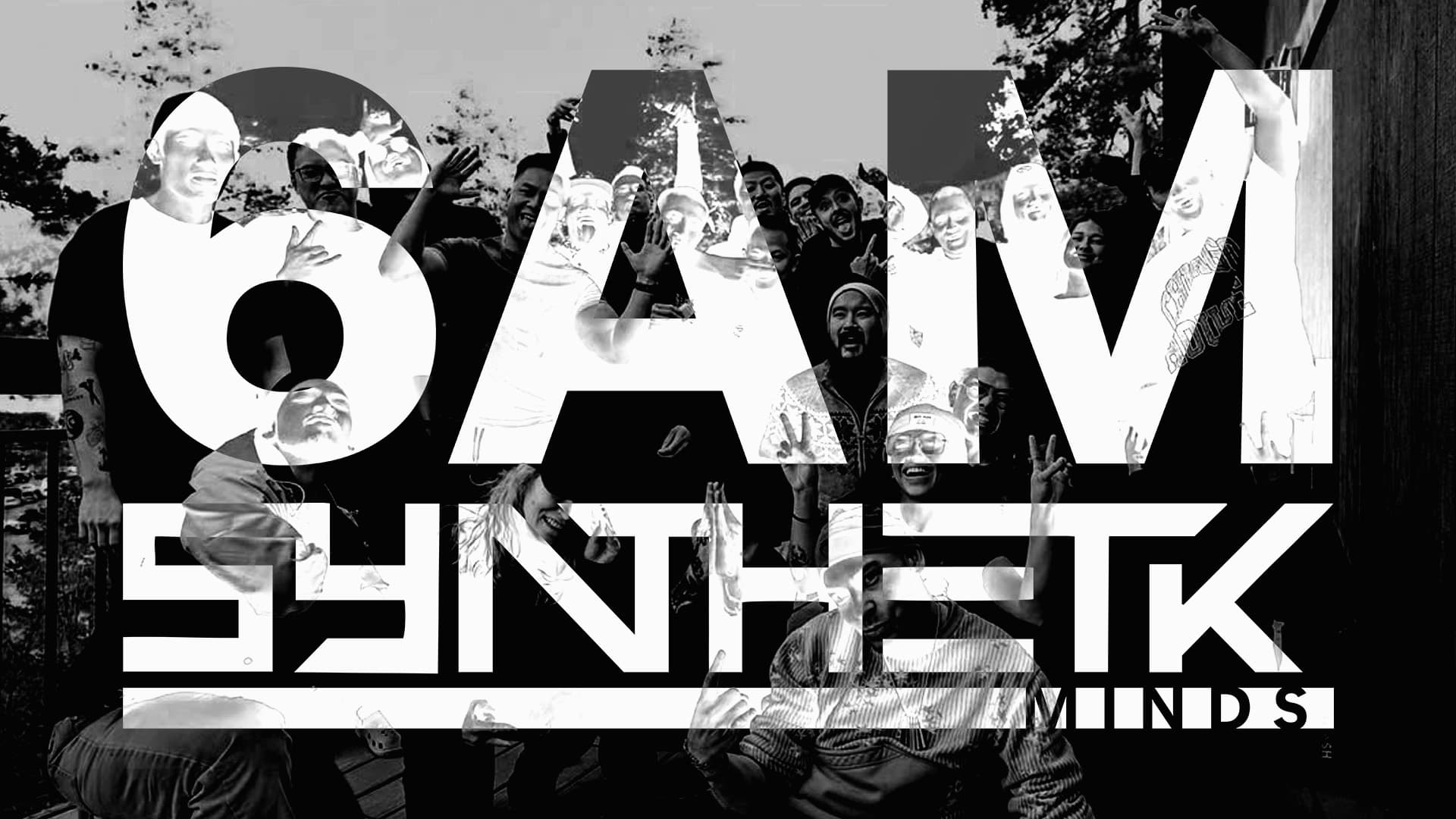
In conversations about underground techno, the spotlight usually focuses on the artists or the event group. Yet behind the DJ booth is an untold story: a dedicated network of individuals who embody infrastructure, care, and coordination - The 6AM and Synthetik Minds team. Each person plays a vital role in ensuring a successful event: managing load-in, working the door, and holding the dancefloor together. Their hard work reflects a deep commitment to the music and its culture, positioning them as the unspoken lifeblood of the scene that upholds techno’s core values: community, safety, and human connection.
All weekend long, before the lights go off, the 6AM and Synthetik Minds team uses an empty warehouse as their artistic canvas, transforming an industrial space into an immersive playground. Each teammate gives their blood, sweat, and tears to enhance the quality of the rave. Problem solving and finding efficient ways to make each event more memorable are contingent on how the staff moves. Whether it is monitoring the flow of the room or welcoming guests at the door, every moving part contributes to the whole.

The efficiency stems from clearly defined teams handling distinct responsibilities. Each component plays an equally fundamental role in creating a ripple effect of positive energy. From Kathy prepping the concession area to Jen organizing the box office entrance, every facet of labor is interconnected. Nuances like AC and Rock working security or Marcus, who handles the break station shop, add unique, connective qualities. Miranda from the operations team expressed her view:
“I was drawn to 6AM and SYNTHETIK MINDS by the community vibe they brought. Also, by the sense of safety they have in regards to looking out for people in the community, who may not have another space or another place to go and are looking for a place to express themselves while also feeling safe. I think 6AM and Synethetik Minds make an active effort to do that in our community while also highlighting some of the greatest talents to come to Los Angeles.”
This collective cohesion translates into a shared sense of synergy that amplifies the atmosphere, where the smallest details help shape the movement of the room.
Throughout the space, the operations team is the line of defense that maintains structure and stability.
Operation Manager Tommy, systematically delegates critical tasks to his teammates (Courtney, Miranda, Josh, Rafael as his Deputy Operations Manager, alongside a dedicated group of volunteers) to ensure everything runs smoothly.
Their level of accuracy reshape the warehouse into a functional environment by managing the sanitation and waste, coordinating vendor logistics, and overseeing site security and emergency protocols. Their unwavering commitment organizes the room while keeping the rave experience safe and seamless.

During soundcheck, the sound team meticulously creates the heart of the room.
Sound Technician Casey, puts raw effort to polishing the pulse with clean acoustics. Glued to the walls, the immersive weight of the sound opens the gates to the techno-realm.
It is not just volume, but a language - the entity we came to visit. Overall, dialing in the sound with precision and punctuality reinforces the quality of the ambiance.
Working in tandem with sound is the lighting production.
Production designers Alvin and Seth paint strobing color across the darkness, pulling the audience deeper into the sonic rabbit hole.
In doing so, they modify a classic rave motif from a simple aesthetic gesture into a visceral emotion - one that makes the music feel physically real. Without their craft and service, our underground world would lose that special spark that makes the room come alive.
While the party unfolds in real time, Chris, Jo, and Johnny capture the magic of the moment. With 6AM and Synthetik Minds enforcing a strict “No Phone On The Dance floor” policy, the media team becomes the lens through which the night is remembered. Embracing inspiration from the scene, photographer Chris says,

“I like the 6AM and Synthetik Minds organisms. Now, I've been adding other things outside of just taking stills and videos like adding creative strategy and brand positioning. I am able to bring all these different sorts of creative sensibilities to the table.”
The media team immortalizes the night with proper photos and videos, adding visuals to the LA techno archives. Leaving a footprint in techno history, their work not only documents the moment, but also transports us back to the warehouse long after the dawn has settled.
The team is not complete without the marketing team.
Behind the scenes, Eric and Kevin hold down the fort by building strategic awareness of upcoming events. Showcasing the possibilities within the mystery, the efforts construct attractive qualities of our world long before we enter it.
By utilizing language and graphics, the duo magnifies the philosophy and inner-consciousness of 6AM and Synthetik Minds within LA techno.
The backbone of the 6AM and Synthetik Minds team is the volunteers. Individuals who solely believe in the cause and directly want to get involved. For some, this is a door that changes their entire life as they build a future working in the techno scene. Volunteers are the lifeblood that moves the culture at its core. Their direct passion for the music and culture sustains warehouse worlds together by providing help wherever it is needed. Whether it is moving tables, sweeping, or cleaning after the rave has settled, their hard work nourishes the lifespan of techno. They are heroes in that regard and their work is forever appreciated.

Outside of the technical and work intricacies, 6AM and Synthetik Minds implemented a VIBE HOST TEAM to enhance the rave experience. This dedicated hospitality team shapes the room by working directly with security to manage disputes and safety, enforcing a strict “Zero Harassment” policy while upholding standard regulations, and floating around all areas to help anyone in need. Building centralizing communication and fostering a sense of community, they are the frontline of event protection.
As the VIBE HOST TEAM continued to mature, both Tommy and Andrea (Honey) curated a system of procedures that included proper tools, training, and awareness known as HARM REDUCTION PROTOCOL, ensuring the safety of all staff and attendees. Thereafter, they introduced the ENDOVERDOSE ORGANIZATION to 6AM and Synthetik Minds, which further strengthened event safety with an on-site booth. Former Volunteer / Vibe Host Manager Andrea (Honey) reflects on her involvement in the creation process:
“Working as a volunteer, I stayed with it for so many years that I became their Vibe Host Manager, which we helped to instill EndOverdose and Harm Reduction Protocols. When you love a community, I think you just stay no matter what. They established such good core values of the community, and I think it’s really important to embrace that, but also support it in any way you can.”

This team of certified individuals can administer Narcan and properly assist in any life-threatening situations. Their objective is clear: provide a service that keeps people and our environment safe.
What makes the 6AM and Synthetik Minds staff special is their ineffable love for the techno community. Their collective efforts are not only driven by technical capabilities, but also by their shared ethos of what techno is about: a dedicated community space that represents the humanity behind music and art while fostering social progress and awareness. There is an irrevocable understanding that these gatherings are more than events; they are ephemeral environments. And with that, our sacred bond to the music is nurtured by the staff. Staff member Maria shares her sense of enjoyment of working at a party as she says,
“What drew me to 6AM and Synthetik Minds was the culture and the community. I am somebody that enjoys dancing my soul out, so this is my second home.”
The impact that 6AM and Synthetik Minds have on the staff transcends the workspace. Long after they leave their role, the staff is still connected to their world. Former concession staff Brittney says,
“I wanted to break down barriers and work for a company that I truly enjoy and feel passionate about - somewhere where I would spend my off time there. That was one of the most important decisions of my life. It made me feel fulfilled and truly want to be there, making drinks and helping people. I could barely call that work. Also, the individuals at work I was constantly impressed by because they're always looking to make things better.”
By leaving an imprint on everyone involved, 6AM and Synthetik Minds directly changes lives.
The 6AM and Synthetik Minds former and current staff are not just employees; they are a family on and off the dancefloor. United by a shared belief in the collective, and a vision of pushing the techno world into the future, they channel authentic passion and an honest motivation to illustrate the power of music. Their techno-workspace displays true techno-principals that perpetually add value to the culture. They are the unspoken heroes of our scene, shaping and safeguarding the energy of our hidden world. For that, they deserve endless gratitude and respect. They are the frontline of every 6AM and Synthetik Minds rave, producing the conditions that allow audiences to experience unforgettable nights.
Synthetik Minds is not a group in the traditional sense, but a curatorial collective and event brand born from the Los Angeles underground techno ecosystem. Centered on the idea of “connection over consumption,” the platform breeds a cathartic atmosphere and acts as a conduit between culture and community. Inspired by a personal reset, founder Marco Sgalbazzini transformed a period of uncertainty into a renewed sense of purpose, aiming to push the LA techno scene forward. Grounded in the value of genuine human connection, he recognized the power of community and sought to reshape the techno narrative through authenticity. The ethos was simple: contribute to LA techno through honest storytelling, immersive experiences, and focusing on the art itself. With a philosophy in place, Synthetik Minds conjured the human spirit within the electronics.
Synthetik Minds emerged in 2017 as a part of the new wave of LA’s techno identity in the 2010s. At that time, Sgalbazzini had just moved to California and began taking part in the scene; writing editorials for 6AM. However, something was ineffably missing. In search of clarity, he did what many do: he set out on a journey and looked inward. During a four-month trip across Europe, he attended the Amsterdam Dance Event, where he encountered a vision of the future that would ultimately shape his path. Reflecting on his period, he said,
“That experience changed everything. The level of music, the intention behind the events, and the quality of production opened my eyes to what this culture could truly be. More importantly, I had moments on the dance floors that genuinely shifted how I saw myself and the world around me. I fully understood the emotional and transformative power of techno.”

Soon afterwards, Sgalbazzini returned to Los Angeles with restored ambition. Eager to contribute, he took more risk: became a proactive voice in the community, invested his personal time to help with social media and booking for 6AM events, which at the time were called WORK by 6AM, and simultaneously built Synthetik Minds.
The early years of Synthetik Minds revealed a distinct and resonant voice. Rather than expanding too quickly, Sgalbazzini focused his attention on the music and people. Each decision was intentional, yet instinctive, and over time, it became clear that he was uplifting the community by fostering a strong sense of morale.
Sgalbazzini's methodology centered on creating contrast. At the time when the city leaned towards fast, digestible visibility and commercialization, he moved in the opposite direction - slowed things down, embraced the moment, and held onto tradition. When asked about his vision, he said,
“Synthetik Minds reflects a different facet of that vision, but the core remains the same: creating spaces where the music leads, where presence matters, and where the culture is experienced rather than performed.”
Each contribution by Sgalbazzini paved the way for what would soon become a partnership with Jia Wang. Driven by their belief in one another, the duo used their shared passion to collaborate as true event partners, initially known as “WORK by 6AM and Synthetik Minds,” and soon thereafter simply called “WORK,” a collaborative platform that united local talent, seasoned veterans, and live acts. The biodiverse melting pot of WORK’s movement unleashed a feral force that was felt in and outside of the warehouse.
.jpg%3F2026-04-27T16%3A17%3A36.921Z&w=3840&q=100)
After years of curating dance floors, Sgalbazzini and Wang recognized the importance of supporting the music itself. Naturally, the creation of their label, Synthetik Sounds manifested; bringing together both worlds: Synthetik Minds and 6AM. Sgalbazzini mentioned,
“The inspiration came from wanting to give artists a platform that reflects the same values as the events: depth, patience, and intention. It is less about feeding the algorithm and more about creating a space where sound can exist without compromise.”
Their exploration of the dark corners of deep, moody, hypnotic techno allowed Synthetik Sounds to become a vessel through which artists could amplify their voices.
Sgalbazzini’s love for techno is evident through his attention to detail and dedicated frequency. By transcending his confusion into purpose, he placed trust in the community, found organic connections, and tapped into the magic of music. While Synthetik Minds is his brainchild and WORK is his love child, both entities offer an independent, influential burst of energy united by a common denominator: sleepless nights of passionate work.
In a scene defined by sleepless momentum, they remain in constant motion. This month, we illuminate the tireless energy, late-night devotion, and invisible dedication driving everything behind 6AM, SYNTHETIK MINDS, and WORK.
Read COLUMN and follow @Piqued.fm on Instagram for more.
Photo / Video credit:
@auburn_sky @7isheav3n @jny0fficial @subjekmedia @marssandoval @nightmovesme
Los Angeles based techno group 6AM cultivates a distinctive voice in Southern California that has turned underground parties into meaningful cultural events. Prioritizing Techno history and values rooted in kindness and positivity, 6AM serves an audience hungry for deeply personal sonic experiences. Founded in 2008 by DJ and music enthusiast, Jia Wang, the project began as a passion-driven risk to build something out of nothing utilizing the power of techno. Through his dedicated tenacity, Wang’s events are known for their welcoming atmosphere, high quality productions, and methodically crafted lineups. 6AM’s melting pot of diverse talent not only attracts devoted ravers and curious newcomers, but honors the past by providing a platform for the future.
In his early years, Wang often found himself on the outside of the community. Rejected by many collectives, he later reflected,
“I felt like I was being turned away because I didn’t belong. No one would take me despite trying to join.”
Rather than letting that exclusion define him, Wang transformed adversity into opportunity by launching 6AM DISTURBANCE, a blog dedicated to spreading awareness through education.
For the first nine years, Wang lived a double-life working as a junior bookkeeper by day and building 6AM by night. He surreptitiously took event meetings during lunch breaks, investing most of his income into raves, and even clearing out his 401(k) to further fund the project. Pouring his life into developing a team, a brand, and an entire ecosystem alongside his future partner, Marco Sgalbazzini, Wang strategically continued his full-time job to sustain these ambitious endeavors.

While maintaining his private career, Wang experienced several defining milestones foreshadowing the future. In 2010, he established relationships with various Hollywood clubs and the afterhour scene, gaining immediate recognition. This momentum led to a collaboration with EDC’s pool party events in 2011–2012, the launch of a festival in Guam, and a partnership with Synthetik Minds that inevitably inspired the co-creation of WORK in 2017. That same year this expansion motivated Wang to leave his corporate job and pursue 6AM full-time.
Although Wang’s determination fueled his vision, his connection with Sgalbazzini proved to be the missing ingredient. Their synergy established the bones of WORK simultaneously enhancing their individual brands.

With a partnership built on an honest friendship, both Wang and Sgalbazzini share the same ethos: community, integrity, and kindness. Together, they sought to address the missteps of the past by holding the industry accountable. In 2020, Wang published The 10 Principles of Techno, a letter that would go on to reshape the industry narrative by championing a more down-to-earth standard. At its core, it displays the true lifeblood of techno as humility and authenticity, not self-gratification and fame.
Additionally, Wang prides himself on booking artists that are genuine people. He says,
“Being nice and kind is so underrated in our scene that this is sort of our standard. If an artist is talented and draws a large following, but is a terrible person or simply difficult to work with, we won’t consider them a part of our culture.”
Subverting the inherent “diva” mentality from its foundation was his way of contributing to the scene as he placed responsibility on the promoters of the city,
“I believe the city’s main curator shapes the vibe and personality. The more we feature artists that are awesome people, the more we can influence LA's techno scene to avoid becoming like some other cities that are snobby and not-so down to earth.”
Wang’s influence on LA Techno has been a gift. Each ambivalent decision and sacrifice advocates for the future of the community. Opening doors for new listeners and artists while paying tribute to the old heads is an inclusive format to add longevity to our culture. Transforming the negativity from the past into a positive atmosphere, Wang imparts his wisdom,
“Underground and underdogs belong in the same spectrum. I will always root and do whatever I can to help the underdogs!”
The scene that does not sleep; and neither do they. All month, we are shining a light on the relentless effort, late nights, and unseen commitment that fuels everything behind 6AM and WORK.
Read COLUMN and follow @Piqued.fm on Instagram for more.
Photo / Video credit:
@auburn_sky @7isheav3n @jny0fficial @subjekmedia @marssandoval @nightmovesme

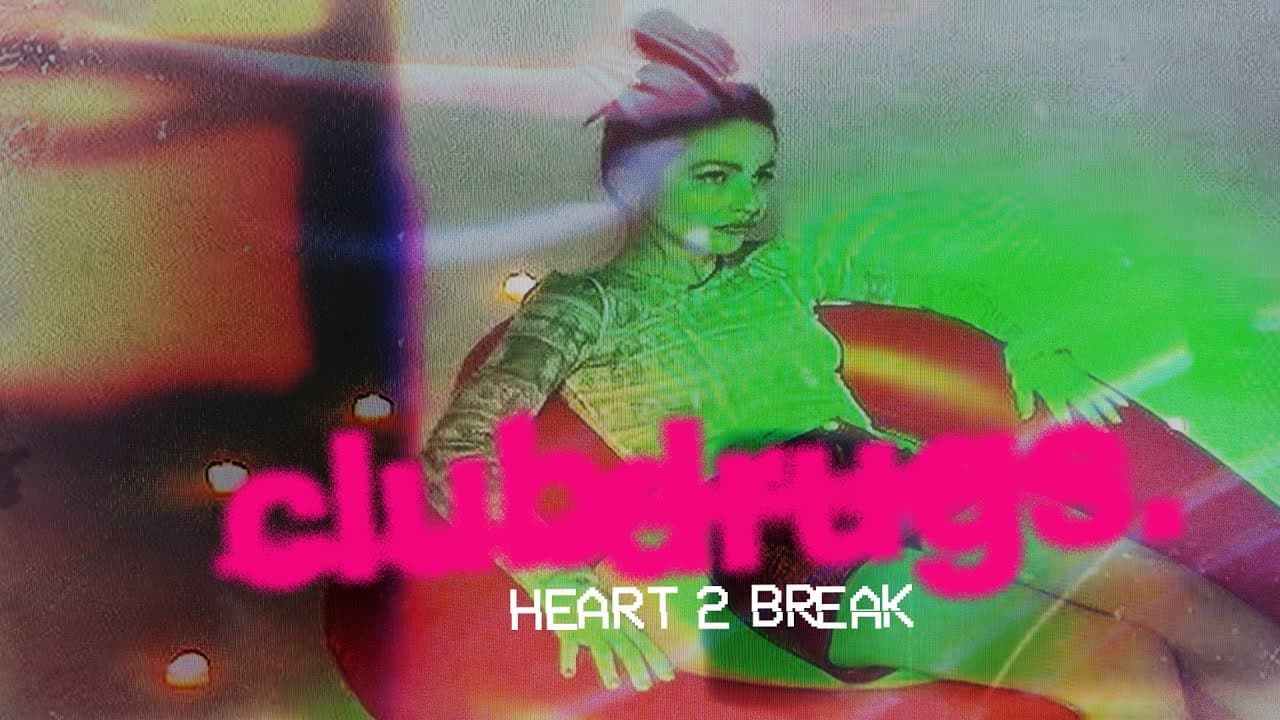
Straight from Chicago, Clubdrugs drops their new record, LOVESICK - a sonic metamorphosis that places visceral humanity inside a digital-dream. Self-produced by Maria Reichstadt (vocals, synths, bass) and John Regan (vocals, synths, guitar, drums), the goth-pop duo bridges their jarring sensuality of 80s electronica with their collective love for new wave and post-punk.
Releasing on Artoffact Records, LOVESICK is an 8-track romantic epic that explores themes such as love, loss, and loneliness. The duo uses their transparent compositions to reflect their message as their haunting arpeggiations, enormous drums, and a holy voice establishes raw honesty.
Delicately opening their enchanting doors with a soft sequence in “Bloodfeast,” the duo begin their sonic painting with sharp synthetic colors as the memorable verse-words of Reichstadt, “Don’t know where to go,” transcend through the speakers. The menacing tones fill the room with anxiety as Clubdrugs capitalizes on the magic between their sonic-opposition of beauty and discomfort.

Swinging from ominous slowtrotters, the duo evenly sets sinister upbeat tracks like “Still Down,” and “Pretty (Anna’s Song)” to create natural energy. Reinforcing 80s motifs, the weight of the 909 kick drum delineates the melancholic catharsis as the speed produces equilibrium.
Their hit single, “Overdose,” proved to be a nostalgic anthem that innocently touched on the pain of growing up. Regan said, “I was trying to evoke the sadness I felt in the guitar, trying to tell a story about the dramatic and agonizing pain of being young and losing your first love. A different kind of overdose.” His clear words of embracing suffering equally depicts a sense of empowerment that further propels a fearless approach in his songwriting.

Every track is then broadened with the tension of visceral heartache of Reichstadt’s seraphic voice. She matches Regan’s instrumental energy with her intimacy as she demonstrates her form of personal vindication. Especially noticed in tracks like “Fear,” and track, "Disappear," her ability to channel her sentiments inside the harmonious dissonance generates a gentle kindness within the gorgeous chaos.
LOVESICK is music for the lonely club kids at goth-night. Their interpersonal world establishes a raw bond that pulls out the inner-romantic inside of you as the catalog of tracks help embrace your vulnerability. They remind us that even though you feel alone in a room full of people, you are not the only one thinking about it. Therefore, Clubdrugs create purpose with the help of sound.

Planet B returns with a gritty new electronic single, "War's Coming Home," an unapologetically electronic political force that is meant to disrupt. Calling out the fascism that comes from our modern day bullshit adminstration, Planet B (Justin Pearson, Luke Henshaw) and Johnny Whitney (The Blood Brothers, Evil Island) ignites their sonic protest with their synths and mics as they yell, "FUCK ICE."

Planet B have joined forces aimed at domestic imperial government, creating an unhinged anthem against ICE agents (unlovingly referred to in this track as "fake-ass GI Joes"). Here, the intensity and chaos of all three musicians forms a scathing symbiosis where Whitney's banshee vocals align with Pearson's alongside Henshaw's dual MPC magic: synth lines and xylophone hooks juxtaposing the surreal comedic theater of today's American leadership with the ominous, brutal consequences of its actions. This track will be released as a benefit with proceeds from sales going towards the Immigrant Defense Project.

Bandcamp:
On the fringes of Los Angeles, San Gabriel Valley’s vinyl company Onyx Record Press establishes a voice for the community as they deconstruct record industry hierarchies by implementing grassroots DIY ethos with high quality products. Built by the passionate hands of co-founders Moe Espinosa, Gil Tamazyan, Cyrus Makarechian, and Surachai Sutthisasanakul, who understand the struggles of independent artists, the team has banded together to streamline a fast and efficient service for creating vinyl.

Onyx has built a reputation for making premium grade vinyls; however, what really makes them special is their impact on the music community. The company prides themselves on dismantling the “gatekeeper” mentality by educating. From inviting artists to sell their music at their record fairs to guiding them to procreate well-crafted vinyl, no other pressing company champions the independent artists the way Onyx does.

Throughout my music career, I have gone through every notable pressing company, and last year, I went through Onyx. Not only was this the best experience, but it was the first time that I was given the opportunity to understand this archaic process from the inside. Working alongside Moe Espinosa, he shared a lot of historical and technical background that opened my eyes to the difficulties of putting out vinyl. The insight gave me an irrevocable sense of respect for this tradition and reinforced my passion for making a physical medium. By the end of the project, Onyx gave me a quick turnaround, great advice, and growth.
Recently, I had the privilege of sitting with Moe (Drumcell, Belief Defect, Black Noise, Droid Behavior, and Observe) - a pioneer of Los Angeles Techno and a critical figure in our music community. As a self-trained DIY artist, Espinosa is a hands-on individual who understands the contemptuous nature of a working musician. By running labels and touring, his background has given him the tools and knowledge to control his artistic narrative that would eventually lead him to the manufacturing side: being one of the owners and operators of Onyx.
Over some coffee, Moe took some time to tell me about his experience. This is what he said:
My name is Moe Espinosa. I'm one of the one of four co-owners here at Onyx Record Press. Basically, the four of us started this place because we were all for independent musicians who had been pressing records for a long time and had dealt with a lot of frustration in the industry. We started this company with the hopes of streamlining it and making it easier for independent artists to get their records pressed.
Well, it's actually a romantic story. I met Gil, one of the main partners, who is the main press operator and vinyl mastering engineer, back in 1999. At the time, he was an electronic engineer and worked as a mechanic. He had worked in several studios repairing and replacing SSL channels on SSL mixing consoles. He’s also the only person I knew who could break down an entire Bronco car and rebuild it. At some point, he got a hold of an old SMT pressing machine that's almost 67 years old. It was all broken down, but he actually rebuilt the entire machine and taught himself how to press records.
I was an electronic music producer, who had just started a record label in LA called Droid Recordings, and we wanted to put out our very first release. We were a group of grassroot producers who wanted to push techno in LA. We were some of the first people in Los Angeles that started the techno scene out here, and I didn't know where I could go to press a record.

Eventually, I went over there to meet him, and sure enough, there's this house music producer, who’s running this set up with a boiler and pressing records out of his garage. Completely DIY. This was unheard of. Nobody does that, especially in the 90s, you know? It was a super punk rock thing. Gil didn’t have any clients, so when I went over to him, I became his first client. I said, “I want to press some records for my label, Droid,” and we became friends.
Gil pressed our records, and this started a relationship. I just loved that experience of being able to press our own records DIY punk style. While every other techno record label in the world is funneling their records through some major grease pit pressing factory, they don't give a shit, we were literally in a garage in downtown LA pressing records, sleeving and jacketing them ourselves.
The first release was mine. It was a Drumcell record with another artist named Steve Eagle, who used to go by Fabriknoz. Another artist named John Massey, who was another local L.A. artist that I worked with.
From there, I was literally putting records in my trunk, driving around to record stores all over the city, selling records on consignment. 100 records here. 100 records there. When I turned 18, I booked a ticket to go to the very first Detroit Electronic Music Festival, and I went out there with 500 records that we had pressed, and I just passed out records to every DJ and every artist that I saw at the festival. It kind of took off and hit like a wildfire.
Next thing I know, this label was one of the main staples in North American techno labels. Eventually, we started throwing events. We were throwing some of the biggest parties in the West Coast, and all of that was really centered around making records. I would attribute the majority of the success to the brand and the label to the access we had to making records through Gil.
The two other partners are Cyrus and Surachai. Both of them are very good friends of mine that I met through music. Cyrus was a touring member of a band called Blackline with Douglas McCarthy of Nitzer Ebb, and they had toured as the opening act for Depeche Mode.
Surachai comes from the black metal world. Him and I bonded on a common musical taste, since we both really liked dark industrial, experimental electronic music that meets black metal, IDM, and noise. We started a label together called Black Noise, which was heavily focused on avant garde, experimental, dark electronic music.
As a matter of fact, our first label night at Black Noise, we had Alessandro Cortini from Nine Inch Nails, Richard Devine, and Kevin Key from Skinny Puppy to name a few. We threw our very first Black Noise label night at Gil's loft, where he had the pressing machine to commemorate how we all kind of came together.
I had never really ever thought I would get into the vinyl pressing industry. I've always been a musician first. There was no plan B for me. I eat, sleep, shit, and breathe producing, touring, putting out records, and being an artist. Everything that was attributed to the DIY culture of building your own brand. But when the pandemic hit, all of us were out of work. We had nothing. There were no gigs to play. There were no shows to throw. But the record pressing industry exploded. Now, we were talking to pressing plants that were saying the turnaround time was seven months to two year turnaround time.
Back then, Gil called me up and told me that he had sold his old SMT machine. He saw how the industry was changing. He asked if I knew any investors because right now is a good time to start a pressing plant. He said he could get these brand new machines from overseas that have really fast cycle times that can turn around records at a rapid pace.

At the time, I had just had a child and I was rethinking what I wanted to do with my future - Do I still want a tour? Do I want to be around my son more? I told Gil that I'm not a man of money, but I'm happy to work with him, so we put a pitch deck together, built a team, and tried to see if we could get the finances to fund it. That started a conversation between all of our partners. We would meet once a week. We planned. We set up diagrams. We worked on the plumbing, the piping, the electricity, electric, electrical work by yourself.
We decided to move forward, but instead of it being some Mickey Mouse pressing machine in some garage, we thought about how we could turn this into an actual company and set ourselves apart from the rest of the industry. We had a pretty good idea of how things worked and realized that most major pressing plants are more about quantity than quality. It's about cutting corners, finding a way to maximize profits. Also, major record labels get the first seats, and independent artists kind of get the back. Then you get into the age of reissues, which was clogging up the machines in the world. It's all about fulfilling the demand for this new trend. But for us and for our community and the world we grew up in, this was never about trends. Vinyl is something we never abandoned. It was something we had always done, even when nobody wanted it.
From the startup funds to the technical side, there's a lot of things that have been challenging. For example, you have to buy a boiler that can produce enough steam to the machine, but then you realize that the city doesn’t approve of boilers of this size to work inside this place. Then you downgrade by 210 horsepower boilers instead of getting a giant Parker boiler just so you can meet codes.
There's the recycling process and what we do with the extra material and how you do that in a green way. Then as a business and how we compete with other pressing plants. We are so small and boutique, so our main competitive drive is to offer a higher quality product. If somebody wants to come to us and they want a pristinely pressed, high quality 160, 180 gram record, trimmed perfectly, perfectly flat, no dishing, no concaving, no excess vinyl buildup, and no dimples, they can come to us. We can do that. We use 100% virgin vinyl when pressing because using recycled regrind introduces noise to the record.

The ambient temperatures change constantly here, especially in California. We have mild winters, but it's still in the 30s and 40s degrees on a really cold night. Our summers can get hot sometimes. You have 112, 115 degree days, right? When that happens, the temperatures change because the water that comes into the building from the city changes. That's because your boiler only produces a certain amount of hot water. The water that comes in from the city is also hotter.
There's a lot of really fine temperature adjustments that need to be made when you're pressing a record. You have steam that goes in, that melts the vinyl, makes it malleable to press it, and then you blast it with cold water to solidify and harden the record. But if the water temperatures are changing constantly, then you're getting different results throughout the season. You have to run a pressing plant long enough that you actually know how to adjust your machine to work in the weather you're dealing with over a long period of time. It's a lot of benchmarking and figuring out the technicalities. Sometimes you need to go through 2 or 3 seasons until you actually dial it in perfectly. When we hit peak summer times, different types of vinyl react differently. black vinyl presses pretty easily, but when we start working into color vinyls with crazy splatters and marbled records, then you're dealing with different types of vinyls that melt at different temperatures.
Pressing records is really difficult. There are about ten steps that need to go perfectly well to get a proper record. Each one of those ten steps is usually handled by different people and has a very high probability of something going wrong. That technology hasn't changed since the first day I ever started. We are still incorporating and implementing archaic manufacturing processes that's hundreds of years old, and each one of those steps has a very high probability of something going wrong.
The first step is to have a lacquer, which is basically a piece of metal in a circle that's covered with a thin veneer of a nail polish material. Inside that process of making those lacquer discs, sometimes there's imperfections when they're putting that thin veneer paint on top of it. Sometimes there's air bubbles that pop up that can cause problems. That's just from a manufacturer, who provides us with material. Then we put that onto a lathe and cut the music using a diamond or sapphire stylus needle that cuts into that thin veneer at a very shallow place. Think about what you're doing. You're playing audio through this thing, and this thing is just cutting waveform into a record.
Well, this raises a lot of problems when it comes to the mix. If your mix has too much low end bass frequencies in the stereo field that will cause those grooves to do very funny things. If you have high frequencies with high sibilance and sizzle range, that can cause things to distort on vinyl. If you have phasing in your mix, like you have multiple microphones on drum recordings, then that can cause grooves to wobble. They move. If they wobble, you get a record that skips a needle: jumps off a record, you know?
Now, we're in the process of musicians who give us mixed music, and we have to scientifically figure out in the process of how to get that music to translate into this archaic format without any problems.

Once you cut the disc, you actually don't know what the results are going to be until it gets plated. Then it goes to plating. In plating, they put it into a spray booth, a similar machine that would paint a car, and spray it with liquid nickel until it's covered into a shiny nickel vibe. They take it and they put it into a galvanic bath that electrocutes it. What the electrocution does is it makes the nickel stick to the record and get into all those grooves that are cut on the lacquer. Then we peel those off, and those are the stampers, which are the negatives.
When spraying the liquid nickel, the spray cans can get jammed, it’s like doing graffiti, it sputters out blobs of paint. Then you get pops and cracks. You can't control it. You don't know what's going to happen. Then they go in the galvanic bath, and that whole process is super expensive. Every lacquer disc is $85 a disc. The galvanic process is $300. The building process puts us a few thousand dollars in the hole. Then you get the plates and you put it on the machine and do a test press. If any one of those steps go wrong, and they all have a high probability, then you got a shitty sounding record.
I feel like I might be going out on a limb here, but the majority of my job is crisis management more than it is just making people's dreams come true.
Well, there are things that still surprise me. I am constantly surprised by how different our consumer market for vinyl is these days. As much as we'd love to sit here and talk about how romantic records are; how we want to buy these records; and how they matter, to be honest with you, sometimes it feels like this industry is more about selling candy than it is selling records.
Sometimes we press a record and we as people who listen to records every day, might be critical in saying, this record doesn't sound great, but we give it to the client and they don’t fucking care. The thing that they say to us every time is no one's going to listen to it anyways. And there's truth in that.

Let me give you my input on that. I realized I thought everybody did this, and then I had a harsh reality, especially with younger generations, that it made me feel alone. For me and amongst my closest friends, when we're hanging out and everyone brings over beer, we chill out at the after party, whatever it is, we would have a tendency to be like, “yo, did you hear this new fucking record?” And they'd say, “no,” and someone would pull it off the shelf and play it.
I have a phrase for that. I call it, “your tribe has failed you.” What I mean by that is if you look back at the history of tribal gatherings, the elders have always passed down information to the younger people about how cultural significance works. We hold on to our ancestry that way and that's how it's always worked for millions of years.
I think up until the 2000 that tribal “passing down the torch to younger generations” always existed in rave culture, punk, or anything. When you have the young cats that came in, the older generation would be like, “here, yo, like, this is the real shit.” You stand tall in the backs of their hard work. These are the bands that started this. You might be into these guys, but these guys were influenced by these people, right? You know what I mean?. Check out this record. Listen to this record. Do this. All those cultural nuances tend to be passed down.

I believe at some point, especially with the birth of the internet, our ability to gather information no longer came from our elders. It started with quick access to information from the internet. This meant that a lot of cultural significance and a lot of fringe music cultures had been lost - a lot of history had been lost. Also, a lot of people, who should be passing down information to younger people, maybe started gatekeeping. Maybe they started not giving information. Maybe they started hating on all these young kids, who don't know what the fuck they're talking about. They stopped caring, and that's where their tribe failed them. They failed to pass that information on to the next generation.
Sometimes I think that nobody took the time to discover, look back, and learn things.
I think it would be very inspirational for any artists out there who are thinking about pressing records to kind of understand how this industry works. I think a large majority of people come to us, of course, smaller bands, and the first thing they say is they want to print 100 records. You give them a price and they go, “wow, that's expensive,” I don't think they quite understand that pressing 100 records is not cost effective. You’re not actually paying for the records. The records are the cheap part. You know, you're paying $2.80 a record. The vast majority of your cost is in the startup. That's the cutting, the mastering, the plating, the stampers, and the test pressing setups. All that stuff eats up almost 75% of the money.
Depending on the record and whether or not you press 100 records, you end up spending anywhere from $18 to $20 a unit when you divide all your startup costs. But once you print 200 records, just 100 more, the cost is $400 than your initial quote - you cut your cost per unit in half.
Right now, you're paying $12 a record, then you print 300 records and now you're paying $8 a record. Every time you print more records, the cost per unit comes down. Now, of course, not all of us can sit around on 500 records. I get it. But I always tell people you might as well just print 200. It's $400 more. You cut your cost per unit down by half. If you sell half those records, you break even. You might be stuck with 100 records extra, but the next time you release your second album, people are going to want to go back and buy your back catalogue.
You always want to have inventory. Hopefully, if you're sticking with this and you're going to be playing gigs for the next five, ten years, you're going to have records on-hand that you can sell at every fucking show you go to.
I think bands need to figure it out and realize that you're providing something special to your fans. Also, do something special: number your records, sign them, package them yourself, make a video, etc. Make people have an emotional connection to what you do. Actually care enough to support you. Sell records to your aunts, your uncles, your cousins, your tribe of friends, and get everybody you love to support you. Also, don't be afraid to walk into record stores and sell your records on consignment. This is the work.