

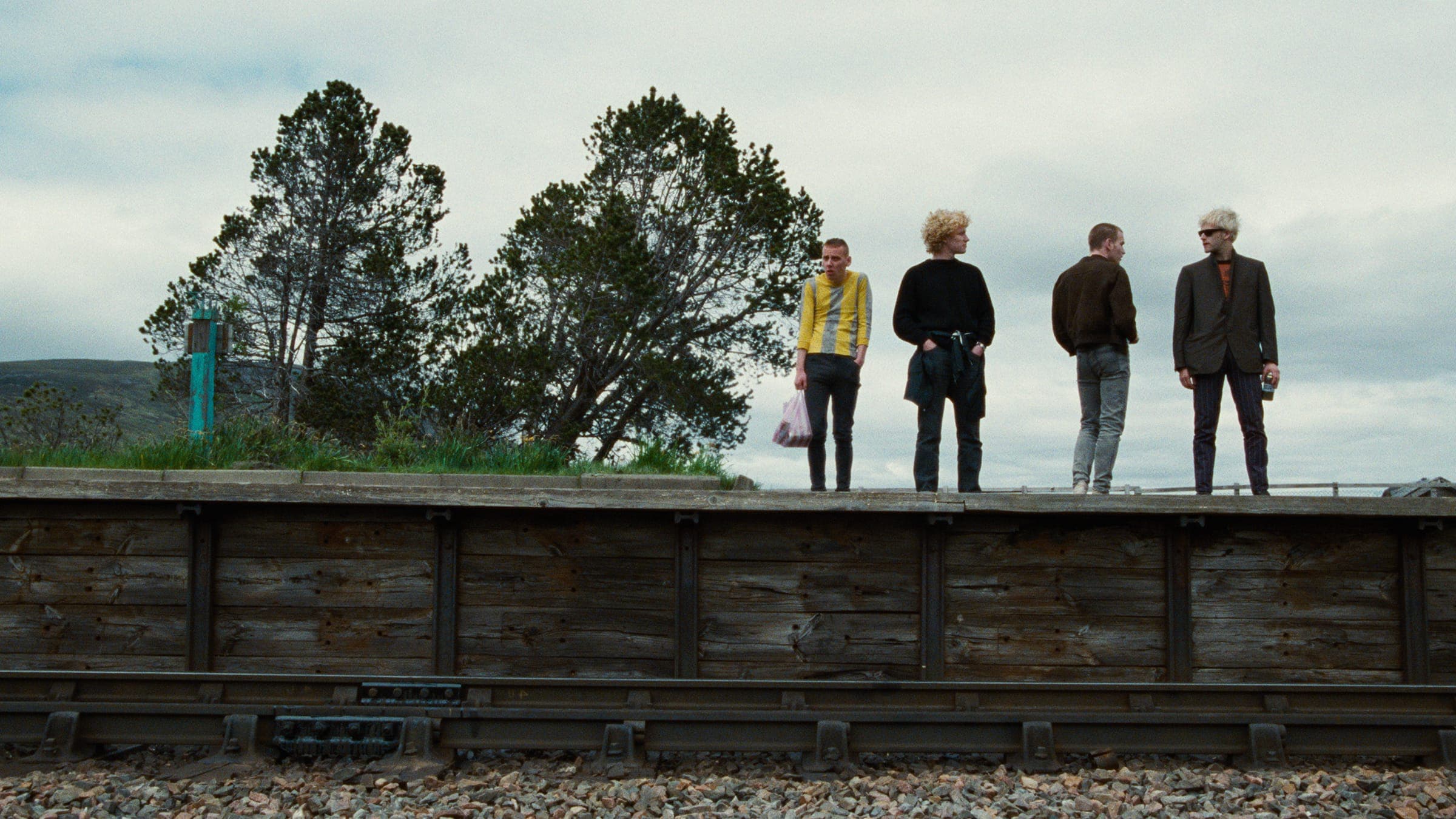
In the early 90s, electronica was still mostly underground, the soundtrack of raves, warehouses, and pirate radio. But by the end of the decade, the sound of drum machines and synths had broken into the mainstream, not just on the charts but in the movies. Filmmakers looking to capture the spirit of a wired, rebellious generation turned to artists like Orbital, Underworld, Aphex Twin, The Prodigy, and others to soundtrack their visions. Movies like Hackers, Trainspotting, The Saint, Pi, and The Matrix didn’t just use electronica as background noise, they helped turn it into a major cultural force.
Orbital builds a bridge from raves to Hollywood soundtracks
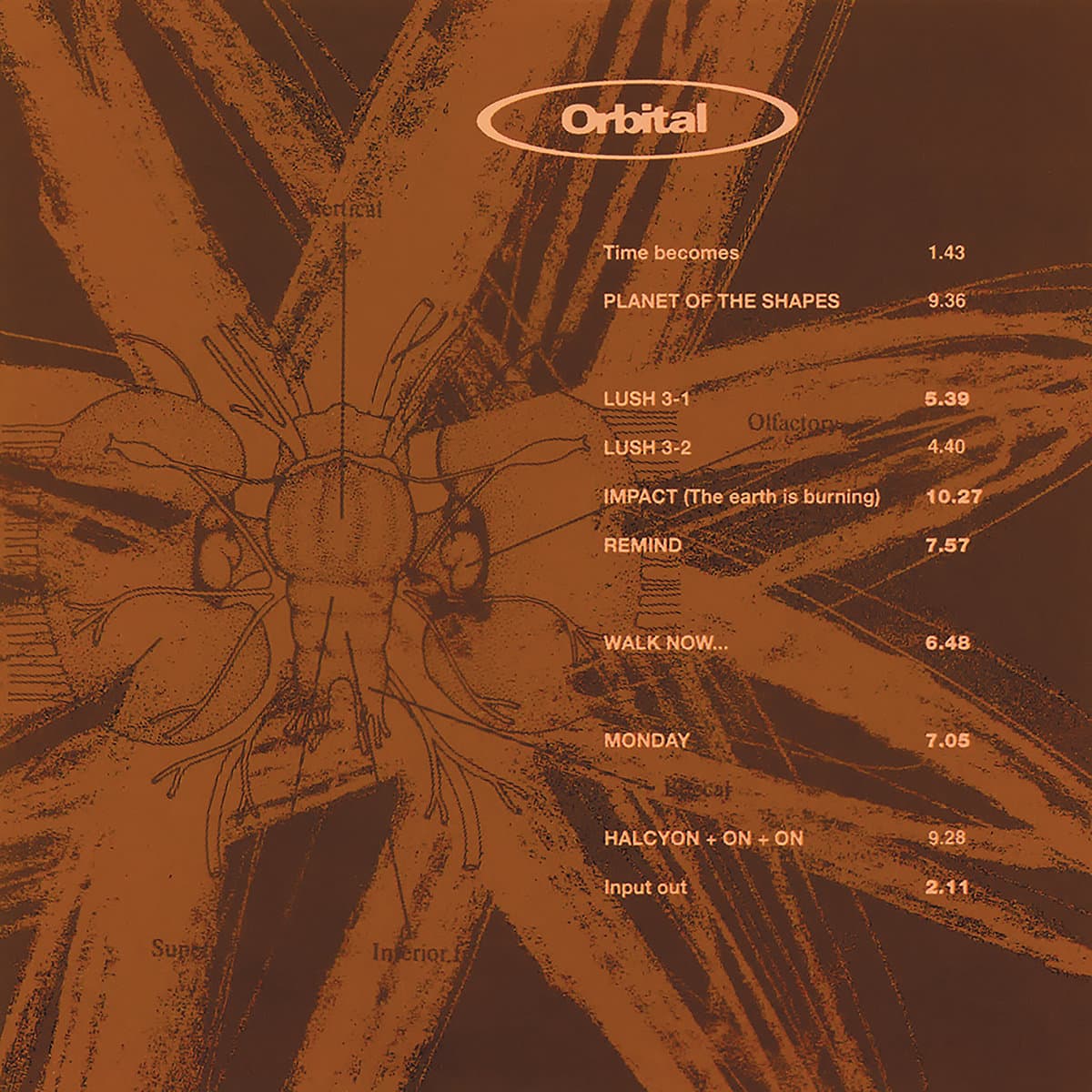
At the start of the 90s, Orbital were already legends in the UK underground. Brothers Phil and Paul Hartnoll crafted hypnotic techno tracks using early samplers and analog synths, favoring a melodic, emotional style that stood apart from harder rave acts. Their 1993 Brown Album featured the original version of “Halcyon,” a track inspired by their mother's battle with addiction to prescription drugs. A remixed, dreamier version “Halcyon And On And On”, became one of their signature pieces, perfectly capturing a bittersweet euphoria that set them apart from the harsher sounds dominating rave culture.
That emotional resonance caught the ears of filmmakers. In Hackers (1995), “Halcyon And On And On” plays during the opening montage, tracing Dade’s journey from his sentencing as a boy to his new beginning in New York, setting a dreamy tone for the story ahead. The track’s inclusion signaled one of the first times a major Hollywood film leaned heavily on bedroom-produced techno. Orbital’s soundtrack work continued in The Saint (1997), where they contributed an updated version of the 60s spy show theme. Their albums Snivilization (1994) and In Sides (1996) further showcased their ability to create complex, cinematic electronic music, helping shift perceptions of techno from anonymous dancefloor fodder to serious, emotional art.
Leftfield opens up the mainstream with progressive house
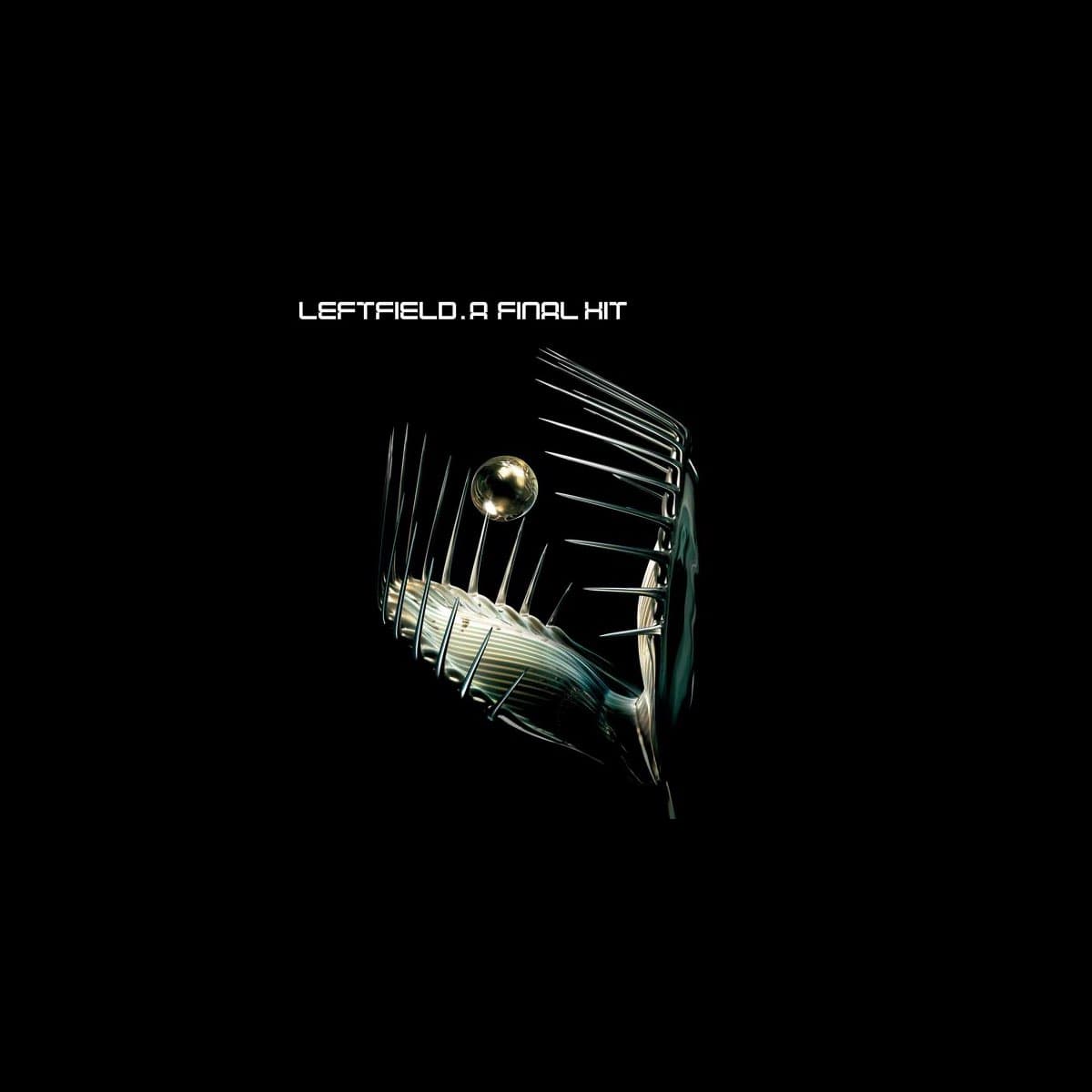
Another Hackers standout was “Open Up” by Leftfield, a British duo fusing house beats with dub basslines and experimental textures. Leftfield’s Neil Barnes and Paul Daley were among the first to push UK club music into deeper, heavier territory, culminating in their landmark 1995 album Leftism. Their style was bass-driven, layered, and expansive, often weaving guest vocals and live instruments into their productions, a sharp contrast to the sample-heavy formulas of early rave music.
“Open Up,” featuring John Lydon’s sneering punk vocals, injected a sense of menace into Hackers' otherwise candy-colored depiction of cyber culture. Leftfield’s cinematic ambitions expanded further when their track “A Final Hit” appeared on the Trainspotting (1996) soundtrack, fitting alongside tracks by Iggy Pop and Blur. By threading their bass-heavy grooves into era-defining movies, Leftfield helped prove that progressive house could carry not just a dancefloor but an entire generation’s emotional baggage (anxiety, rebellion, escapism) into the mainstream.
Underworld captures the chaotic energy of a generation

While Leftfield brought the dread, it was Underworld who brought the catharsis. The trio, Karl Hyde, Rick Smith, and Darren Emerson, had spent the early 90s merging techno with gritty vocals and sprawling arrangements, culminating in the 1994 classic Dubnobasswithmyheadman. Their breakthrough came almost accidentally: “Born Slippy .NUXX,” a reworked B-side originally tossed off after a night of drinking, became an anthem after its placement in Trainspotting.
When “Born Slippy .NUXX” explodes during Trainspotting's finale, it crystallizes the film’s bittersweet rush toward freedom and destruction. Danny Boyle’s decision to use the track turned Underworld into global stars almost overnight. Their 1996 album Second Toughest in the Infants kept the momentum going, proving they were no fluke. More importantly, it showed that a nine-minute techno anthem with mumbled, incoherent vocals could not just survive, but thrive, in mainstream culture, and that electronic music could carry the emotional weight of an entire movie generation.
The Prodigy storms the charts and the screens
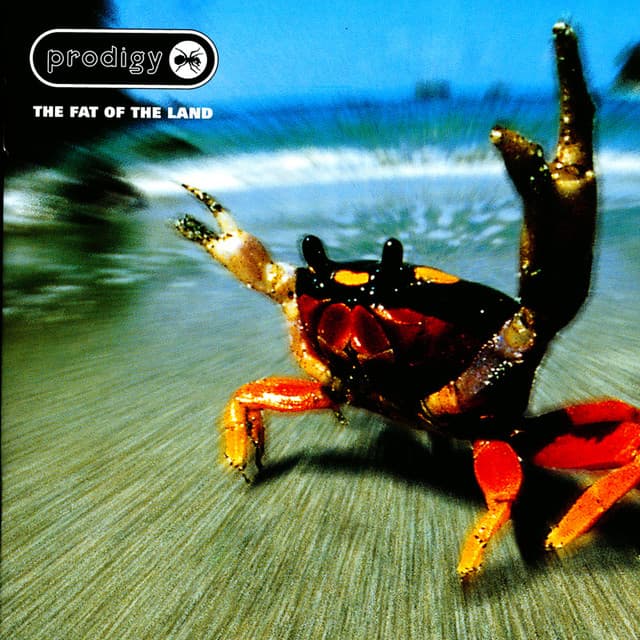
If Orbital and Underworld nudged electronica toward mainstream acceptance, The Prodigy kicked the door off its hinges. Led by Liam Howlett, with Maxim Reality and Keith Flint as their charismatic frontmen, The Prodigy fused hardcore breakbeats, distorted synths, and punk energy into something entirely new. Their early rave hits like "Charly" and "Out of Space" made them UK legends, but it was their third album The Fat of the Land (1997) that exploded globally, fueled by singles like “Firestarter” and “Breathe.” Their sound was loud, confrontational, and impossible to ignore, making them natural fits for a generation of filmmakers looking for music that felt dangerous.
In Hackers (1995), The Prodigy's early tracks “Voodoo People” and “One Love” helped inject raw adrenaline into the film’s neon cyber-dreamscape. Later, The Matrix (1999) used their track “Mindfields” during a tense, reality-bending moment in Neo’s journey. The Prodigy’s aggressive electronic assault mirrored the way both films tried to depict a world breaking apart under the pressure of technology and rebellion. By the end of the decade, The Prodigy had proven that not only could electronica sell millions of albums, it could also soundtrack Hollywood’s vision of the future.
The Chemical Brothers take big beat to the movies
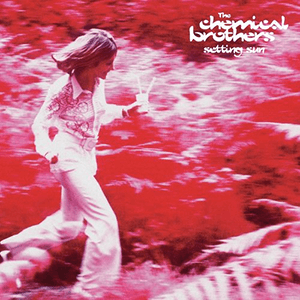
Coming up alongside The Prodigy, The Chemical Brothers (Tom Rowlands and Ed Simons) brought a psychedelic edge to the big beat explosion. Their 1995 debut Exit Planet Dust introduced their swirling, heavy, sample-rich sound, but it was Dig Your Own Hole (1997) (with anthems like “Block Rockin’ Beats” and “Setting Sun”) that made them household names. Combining rock swagger with rave energy, the Chemical Brothers helped bridge the gap between indie rock audiences and electronic music.
Their cinematic breakthrough came with The Saint (1997), where an instrumental version of "Setting Sun" provided a swirling, menacing backdrop for Val Kilmer’s espionage antics. The Chemical Brothers’ music, with its relentless build-ups and chaotic drops, fit perfectly into the sleek, high-tech world of 90s thrillers. Though they didn’t directly feature on The Matrix soundtrack, the film’s sound, all pounding beats and sci-fi tension, owes a clear debt to the musical world the Chemicals helped shape. They proved that electronic music could be as physical, loud, and visceral as any guitar band.
Massive Attack brings a cinematic mood to electronica
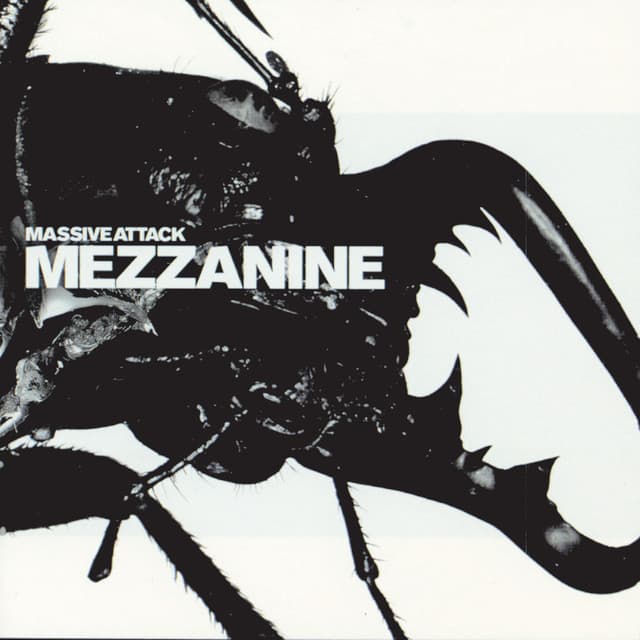
While big beat acts like The Prodigy and Chemical Brothers blasted through speakers, Massive Attack took a different path, weaving smoky, downtempo atmospheres that felt born for the big screen. From their groundbreaking Blue Lines (1991) to the shadowy masterpiece Mezzanine (1998), the Bristol trio (Robert Del Naja, Grant Marshall, and Andrew Vowles) invented trip-hop, blending dub, soul, hip-hop, and electronica into something slow-burning and deeply cinematic.
Their music found its way into film almost immediately. Hackers (1995) used "Protection" during a quiet, romantic scene, contrasting with the film’s otherwise hyperactive energy. Later, Pi (1998) used Massive Attack’s "Angel", even before the song’s official release, to underscore its spiraling, paranoid mood. And in The Matrix (1999), "Dissolved Girl" plays quietly in Neo’s headphones, hinting at the isolation and unease that drive the film’s plot. Massive Attack showed that electronic music didn’t have to be all speed and volume; it could create tension, sadness, and atmosphere, expanding the emotional vocabulary of film soundtracks.
Aphex Twin brings experimental electronica into film
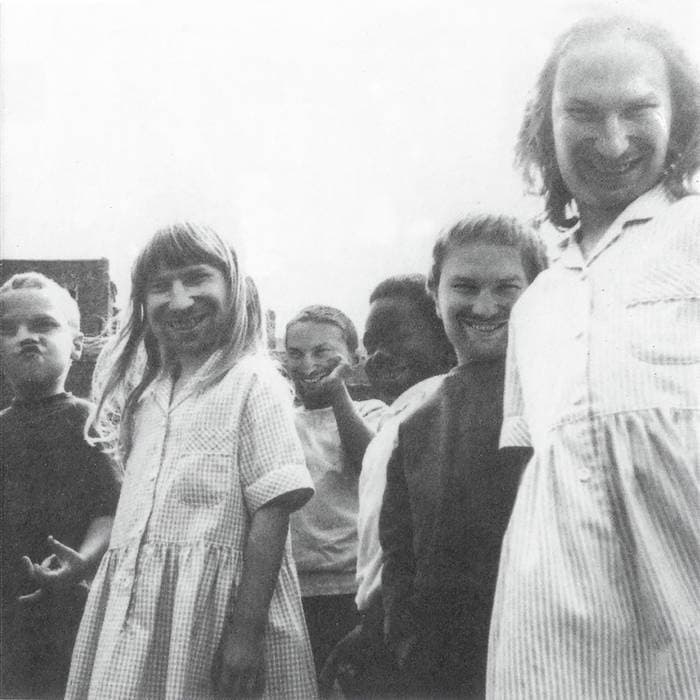
While Massive Attack brought subtlety, Aphex Twin (Richard D. James) brought chaos and beauty in equal measure. Through albums like Selected Ambient Works 85–92 and Come to Daddy (1997), Aphex Twin redefined what electronic music could be, fusing ambient, techno, and glitch into something deeply personal and often unsettling. His production style, full of intricate beats, eerie melodies, and unexpected turns, made him a cult hero but kept him largely outside the commercial mainstream.
Yet even the experimental fringes found their way into film. Darren Aronofsky’s Pi (1998) featured Aphex Twin’s "Bucephalus Bouncing Ball," a frenetic, unpredictable track that matched the movie’s obsession with patterns, madness, and mathematics. Though not every track made it directly into the scenes, Aronofsky cited Aphex’s music as essential to shaping the film’s psychological atmosphere. It was a major moment: proof that even the most abstract, avant-garde electronic music could find a home in serious, celebrated cinema.
Autechre sets the tone for high tech paranoia
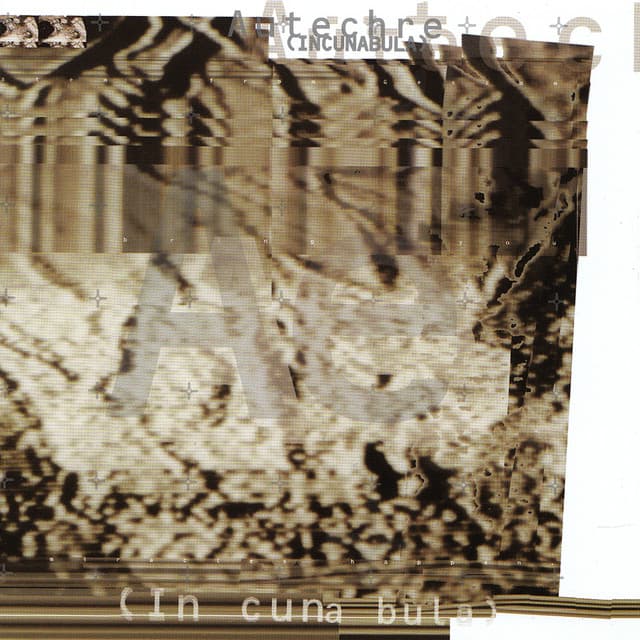
Alongside Aphex Twin at Warp Records, Autechre (Rob Brown and Sean Booth) pushed the limits of what electronic music could sound like. Their early albums like Incunabula (1993) and Amber (1994) blended ambient textures with glitchy, mechanical beats, creating soundscapes that felt cold, alien, and fascinating. They weren’t interested in dancefloors; they were building entire worlds out of sound.
Their track "Kalpol Intro" opened Pi's soundtrack, immediately setting a mood of mechanized unease. The sterile beats and ghostly melodies mirrored the film’s themes of paranoia, obsession, and breakdown. Autechre’s inclusion was a bold move for Aronofsky, a statement that Pi would not follow Hollywood’s usual sonic formulas. It also hinted at a broader truth: even the most abstract corners of electronic music were now influencing how filmmakers represented technology, madness, and modern life.
Propellerheads inject breakbeat bombast into action films
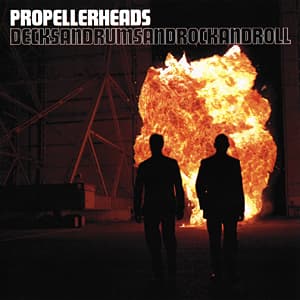
As the 90s raced toward the millennium, electronica’s infiltration of Hollywood hit its most stylish moment. The Matrix (1999), a film steeped in techno-futurism, famously used Propellerheads’ “Spybreak!” for its iconic lobby shootout. The English duo, known for their fusion of funk, breakbeats, and Bond-style swagger, had just released their debut Decksandrumsandrockandroll (1998), and their music felt tailor-made for slow-motion gun battles and trench-coated heroes.
"Spybreak!" wasn’t just background noise, it was part of the action itself, underscoring Neo and Trinity’s impossible acrobatics with pounding drums and urgent momentum. In one brilliant sequence, Propellerheads proved that breakbeat-driven electronica could be as thrilling, stylish, and essential to a film as a traditional orchestral score. Their moment in The Matrix was short, but it left an outsized mark, helping solidify big beat’s place in pop culture history.
Moby shows how ambient electronica conquered Hollywood
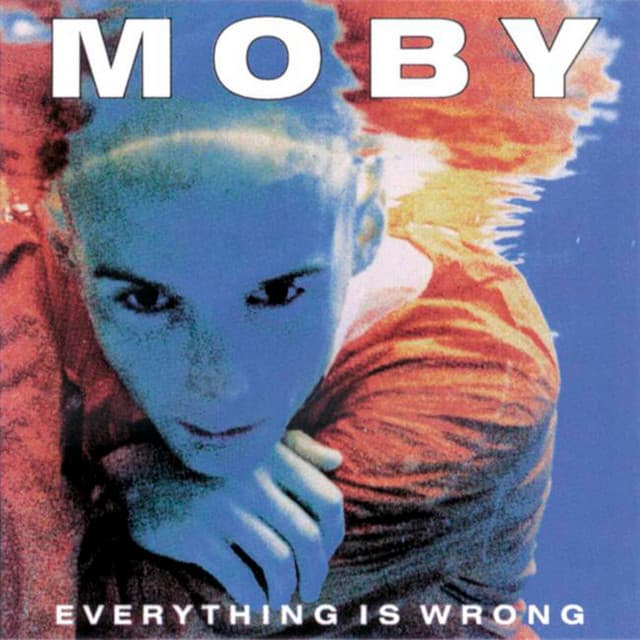
Meanwhile, Moby was quietly becoming one of the most omnipresent electronic artists in Hollywood. From early techno tracks like "Go" to his later ambient work, Moby’s career covered vast musical ground. His 1999 album Play would eventually become one of the most heavily licensed records in history, but his film contributions began earlier and more subtly.
In Heat (1995), Moby’s ambient piece "God Moving Over the Face of the Waters" provided the emotional coda to Michael Mann’s epic crime saga, elevating the final scenes to mythic status. Later, he contributed tracks to The Saint and Tomorrow Never Dies, bringing electronic moodiness to spy thrillers. By the time The Matrix landed, Moby’s "Dragula (Hot Rod Herman Remix)", a rework of a Rob Zombie track, helped fuel the movie’s relentless energy. Moby’s career showed that electronic music could not only fuel the underground but could define the emotional landscape of mainstream film.
When electronica found its place on screen
In hindsight, the 90s were a perfect storm: technology (samplers, synthesizers, turntables) was advancing, youth culture was shifting, and Hollywood was looking for the “next big sound.” Electronica fit the bill, and those visionary directors and music supervisors who embraced it helped usher in a new era. The legacy is clear today, major films and TV shows routinely feature EDM, synthwave, and beyond, but it all traces back to that breakout decade when electronica left the underground and hit the masses, one film at a time. The result? A richer musical landscape for cinema and a validation that the beats from the club could move hearts in the theater just as profoundly.