A music tracker can be defined as a type of music sequencer software that allows users to create, edit, and arrange digital music using audio samples. These samples, which can be anything from instrumental notes to drum beats or even vocal snippets, are organized into patterns and channels. This structure enables users to manipulate the sounds in various ways, such as adjusting the pitch, applying effects, or altering the volume, all within a single interface. As a result, music trackers offer an unparalleled level of control and creative freedom, making them a popular choice among both amateur and professional musicians.
Returning to the number one spot!

The M8 has pulled ahead of the pack on the strength of relentless firmware development.
When we first wrote this guide, the Polyend Tracker+ held the top spot on the back of its new synth engines and USB audio. Two years on, the M8 Model:02 has simply outpaced it. The firmware has gone from 3.3 to 6.6, adding a genuinely significant feature set along the way, and we can confidently recommend it as the best hardware tracker for live performance.
Likes:
Dislikes:
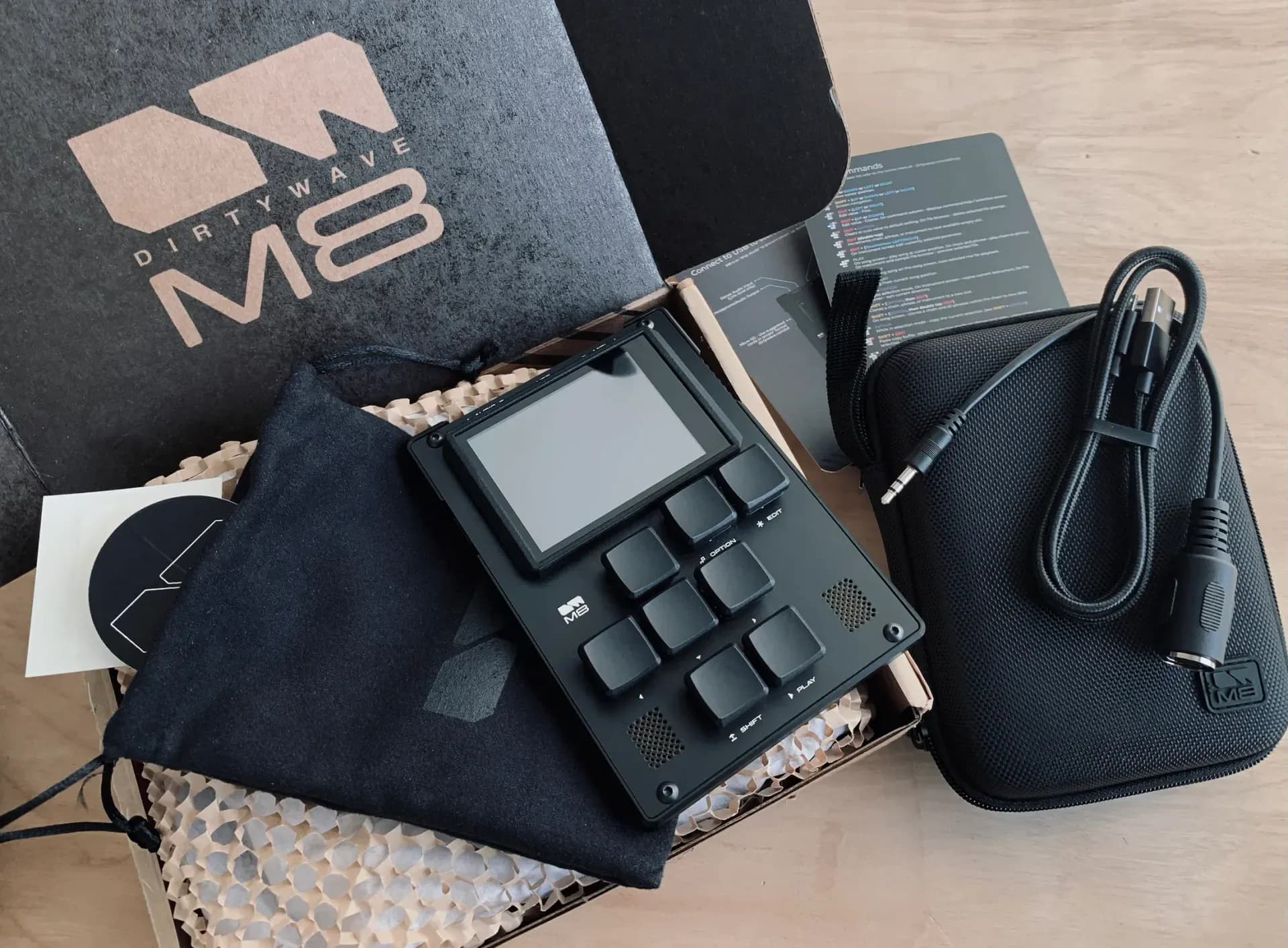
The M8 from Dirtwave is a powerhouse piece of hardware that has been designed by musician Timothy Lamb (Trash80). The pace of development is what sets it apart: major feature releases land roughly every quarter, and Model:01 owners get the same firmware as Model:02. Dirtywave has also previewed the MX, a battery-powered performance mixer built around the M8 and due in 2027, which should address the controller gap for live players.
The history of music trackers can be traced back to the late 1980s, with the development of the Ultimate SoundTracker by Karsten Obarski. This groundbreaking software revolutionized the way music was created on home computers by offering a user-friendly interface and a powerful set of features. The Ultimate SoundTracker laid the foundation for a new era of digital music production, paving the way for a diverse range of tracker software to emerge in the following years. Some notable examples include the popular FastTracker, Scream Tracker, and Impulse Tracker, each with its distinct features and capabilities.
Impulse Tracker, created by Jeffrey Lim, is considered one of the best music trackers of its time. It introduced several new features, including support for more module formats, such as .IT and .S3M, alongside the classic .MOD files. This tracker was instrumental in the evolution of tracker music and served as an inspiration for many modern trackers.
Over time, music trackers have evolved to keep pace with advancements in technology and user demands, resulting in more sophisticated and versatile software tools for creating music. These trackers now offer a wide range of tools, such as plugin support, various effects, and advanced sample manipulation, making music creation more accessible and versatile.
Music sequencer software and music trackers share similarities in their core functionalities; however, music trackers offer a unique approach to music creation. This approach involves arranging sound samples along a vertical timeline, providing flexibility and precision in composition, allowing users to experiment with different combinations of sounds, patterns, and effects to achieve their desired outcome. Furthermore, music trackers often support a wide range of sound formats, enabling users to incorporate various types of audio samples into their compositions.
In addition to their versatility, music trackers also offer a high level of precision and control over the music creation process. With features such as adjustable note lengths, pitch control, and customizable effects, users can fine-tune their compositions to achieve the perfect balance of sounds and textures. This level of precision is particularly valuable for creating complex arrangements and intricate melodies, as it enables users to manipulate each individual sound sample with a high degree of accuracy.
Tracker music is characterized by the use of fixed time slots and sound samples, which are organized into patterns and channels. This method allows for intricate compositions and arrangements, with each sound sample being manipulated individually to create a harmonious and cohesive piece.
Most music trackers share common elements in their user interfaces, such as a vertical timeline, tracks and channels, and patterns and master lists. These elements work together to create a seamless music creation experience.
In tracker software, sound samples can be played back and manipulated in numerous ways, such as adjusting the pitch, volume, or applying various effects. This level of control allows users to create intricate and dynamic music compositions.
The vertical timeline in a tracker displays the progression of the song, with each row representing a fixed time slot. Tracks and channels are used to organize sound samples and effects, with each channel representing a single sound stream.
Patterns are sequences of sound samples and effects, while the master list organizes these patterns to create a complete song. This structure allows users to create intricate arrangements by combining patterns and channels.

The updated Polyend Tracker+ is here with USB audio, new synth engines, and more.
The updated Polyend Tracker+ has been released with some game-changing upgrades, and we can confidently recommend it as one of the best hardware trackers for live performance.
Likes:
Original likes:
Dislikes:

M8 is a portable tracker sequencer and synthesizer. Powered by the Teensy microcontroller and inspired with love from the renowned Gameboy tracker Little Sound DJ.
Watch for deals on this original M8 now that the Model:02 has been released. The original shares all the power of the upgraded version minus some of the quality of life upgrades.
Likes:
Dislikes:

Polyend Tracker incorporates the quintessential characteristics of a classic tracker. The vertical timeline, the powerful sequencer and the mechanical keyboard combined with a newly designed input interface enables you to make and perform your music in a new and intuitive way.
It's missing some of the upgrades from the Polyend Tracker+, but this is still a powerful and performative device.
Likes:
Dislikes:

Tracker Mini is a portable, standalone audio workstation with eight tracks to sequence stereo audio and MIDI, audio-over-USB functionality, a built-in battery and microphone, gamepad quality buttons and a host of sampling and sound design tools.
Likes:
Dislikes:

The pre-built evolution of the open-source picoTracker DIY project, released November 2025. A handheld tracker with eight stereo channels and per-step assignable sample and MIDI instruments, running software descended from piggy tracker and, before that, LSDJ.
Likes:
Dislikes:
The picoTracker Advance comes out of xiphonics and has a genuinely active Discord with frequent firmware updates. The firmware is rougher around the edges than the M8's, but the device has its own character and encourages a different way of writing. Anyone with tracker experience will be up and running in minutes.

The NerdSEQ is a tracker based cv and trigger sequencer module (32HP) for Eurorack systems.
Likes:
Dislikes:

A multi-video-game-system portable handheld. A digital audio workstation with a built-in synthesizer and sequencer.
Likes:
Dislikes:
This guide is about hardware trackers, and that distinction matters: the tracker began as computer software, and most trackers still are. Renoise, OpenMPT, and Furnace all run on a desktop. What the devices above offer is a dedicated instrument, instant boot, mechanical keys, low latency, and nothing else competing for your attention.
The M8 iOS app sits in an interesting spot. It's software, but a phone or tablet paired with a game controller is functionally a handheld tracker. Connect a controller or an external keyboard and the on-screen controls disappear entirely, leaving the M8 interface full screen. Remap the keys to taste, add headphones, and the experience is much closer to the hardware than to sitting at a DAW. It's not a full substitute, a touchscreen is no replacement for mechanical keys, and syncing external gear over an application processor carries latency the dedicated hardware doesn't, but it belongs in this conversation.

The full M8 engine as a native iOS app for iPhone and iPad, from Dirtywave.
This isn't a stripped-down companion app. It's the same C++ codebase as the hardware, compiled for iOS, so it ships with the same firmware version and the same feature set. The developer built a hardware abstraction layer into M8 in order to make the port possible, and can now compile both targets from the same project at the same time. Songs and bundles move between the app and the hardware in either direction, plug an M8 into a USB-C iPhone and drag files across.
Likes:
Dislikes:
Piqued is supported by our members and readers. When you purchase through links on our site, we may earn a small commission. Thanks for supporting Piqued as we grow into the platform for electronic music makers and enthusiasts.
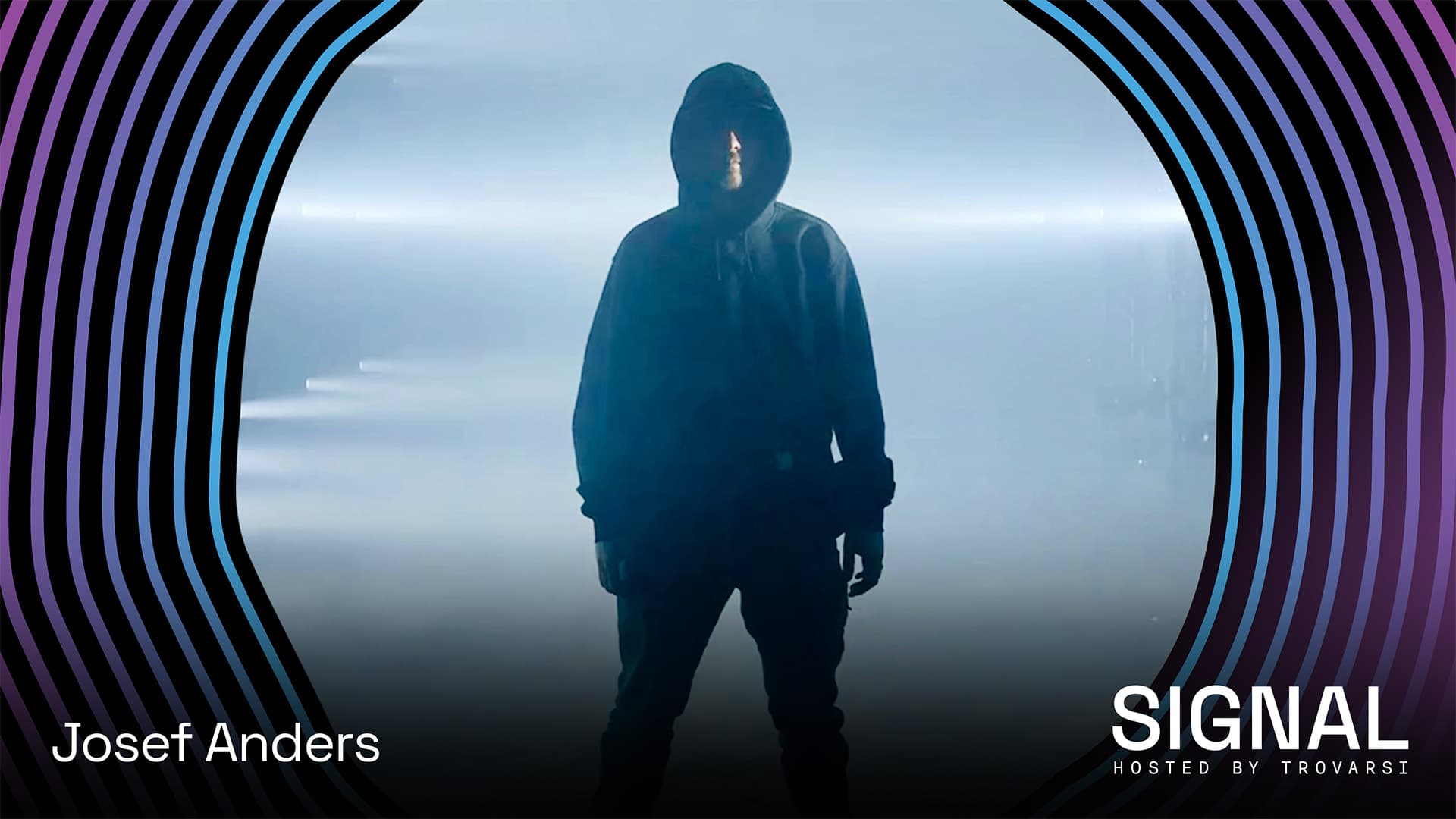
Josef Anders is the new improvised techno alias of Denver-based modular synth artist Alex Anderson, best known for his output of house music as ALX-106 and as the video guy at eurorack manufacturer WMD. Created as an outlet for fully live, modular-driven performances, his sound is driving and hypnotic, blending minimal textures, hip-hop–influenced breakbeats, and the raw energy of his background as a drummer and multi instrumentalist in punk, dance, and math rock bands.
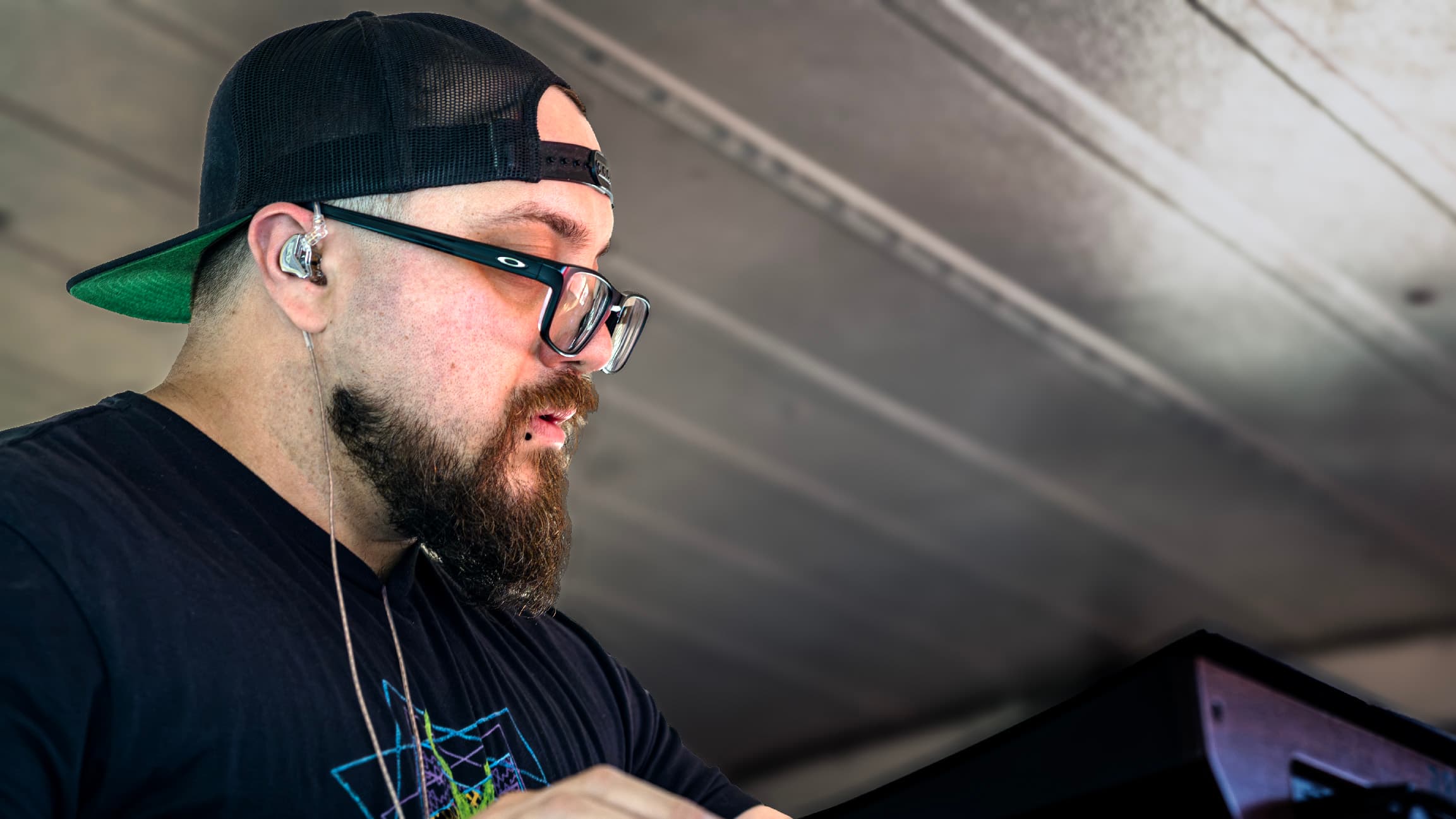
In 2008, Sophizta and his friends were drinking beers and reading spam, hunting for sentence fragments that stuck. One of them did. He liked the shape of it enough to carry it as an alias through his earliest days making music in Reason 5 with a MIDI controller, and he's still carrying it now. Keys have been the tether for as long as he can remember, through good stretches and bad, and he describes what he makes as ideas he rehearses and cements in hardware with an atmosphere of improvisation orbiting them to smooth the edges and make it psychedelic.
It started with School of Rock, of all things, and a seven-year-old's sudden urge to play. His mom, who he still thanks, bought him a guitar and an amp the next day. Lessons came from a teacher at the local music store who smelled funny in a way he only understood years later. A year in, it hadn't taken, so his mom bought him a digital Kurzweil piano instead, and keys just made sense to his brain. Years of theory followed, but the real click came the moment he was allowed out of the recital format and into his own ideas.
A few years ago the Korg Minilogue XD was on its way out the door. He wanted something different and hadn't bothered to learn its depth, which he now calls a total space-cake move. Then he sat down with the sequencer, and bonding with it turned out to be the best thing he could have done. Learning to build patterns on hardware instead of in a DAW is what finally made everything cohere, and now he wants a second one. His still has no cap on the pitch bend joystick, so he just presses the bare nub, which he's decided makes it unique.
He calls the rig the Nexus, an arrangement with many permutations. The core is the Minilogue XD, an Arturia MicroFreak, a Moog Messenger, and a Roland TR-6S for beats. Beyond that it extends into a TC Helicon VoiceLive Touch 2, an ASM Hydrasynth Explorer, a Yamaha 61 for actual piano, and the Nord Stage when he wants the truly bulky configuration. A TR-8S is on the way, chosen deliberately over the flagship because he wanted the rudiments first. Everything sits under an overhead camera, which is why his videos look like a bird's-eye view of a small city.
His sets are always mutating, and right now they orbit an idea he calls the errata fragment: the human element, the error among the bytes. He's still fleshing out the abstraction, but the method is concrete. The week before a show he sits at the soundstage and reimagines what he has, running a track 20 BPM faster, moving it to a different key, changing where the sequence drops. Then he plays it, and the set effectively expires. His favorite part is losing control entirely, throwing a tape delay across the drum machine to announce that they are off the rails.
The first real show as Sophizta was July 19 at Old Town Pub in Pasadena, a small room packed with 30 or 40 people who all got down, and so did he. Since then it's been a run: the South Hayward Market lot with Ground Up Multicast and Chris the Jungle, a Buzz Works night in SF that Frank Nitti handed him and he's calling Wavetable, and an Amalgam day party in Oakland where he's curating the second stage himself. That last one is the real ambition, gathering like-minded people and building the nights he can't find in Sacramento.
Eurorack is the next door. He calls the modules an Einstein-Rosen bridge and admits the sheer volume of them is a little intimidating to walk up to, but that's also exactly the appeal. What he keeps turning over is the obvious question: what would a Sophizta Eurorack set actually sound like? He's close enough to be asking, and he'd rather learn it from people already deep in it than from a browser tab.
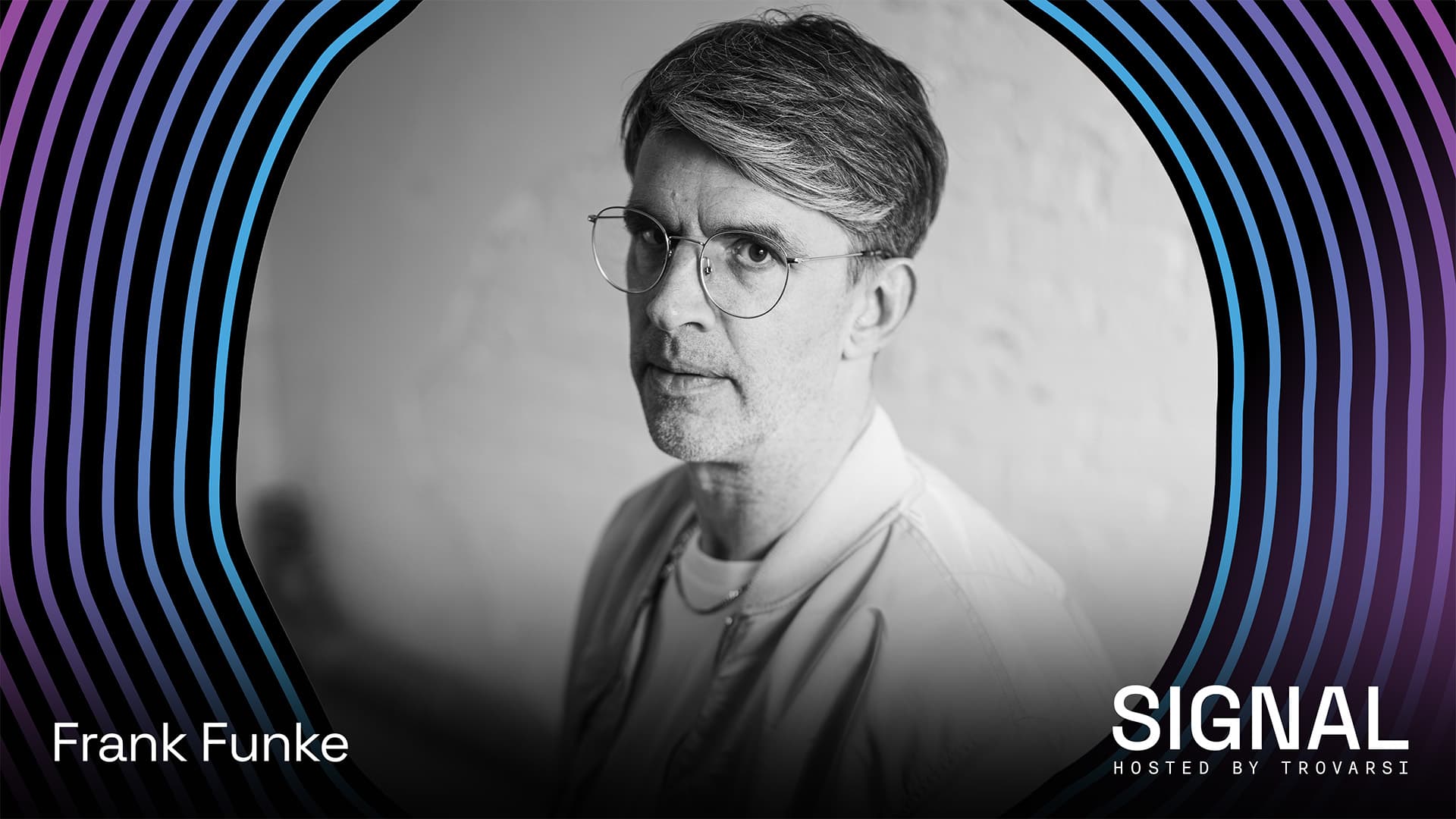
Frank Funke performs Live Techno — modular synthesizers, analog drum machines, digital hardware and samplers. His sound bridges the raw energy of 90s Berlin with modern textures and atmospheres — Detroit, Funk, Dub, and Latin rhythm feeding into his set. Improvised, physical, built for the floor.
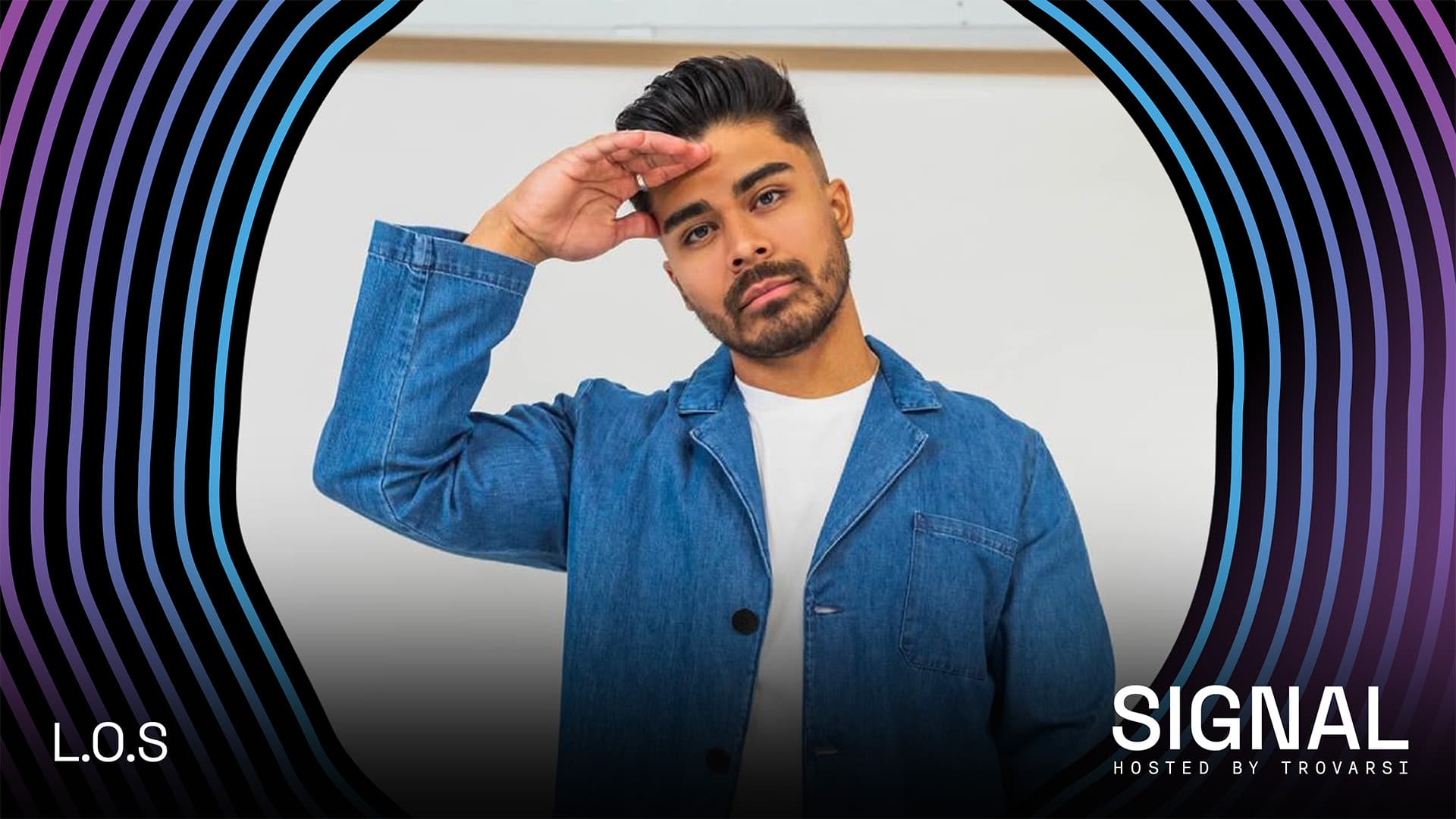
Emerging from New York’s underground electronic scene, L.O.S is a modular techno artist focused on raw machine-driven energy and hypnotic live performance. Using a fully hardware-based setup, every set is built from the ground up in real time, just evolving sequences, heavy percussion, and deep atmospheric textures. Driven by experimentation and improvisation, L.O.S creates immersive sonic experiences that move between tension, release, and relentless rhythm.
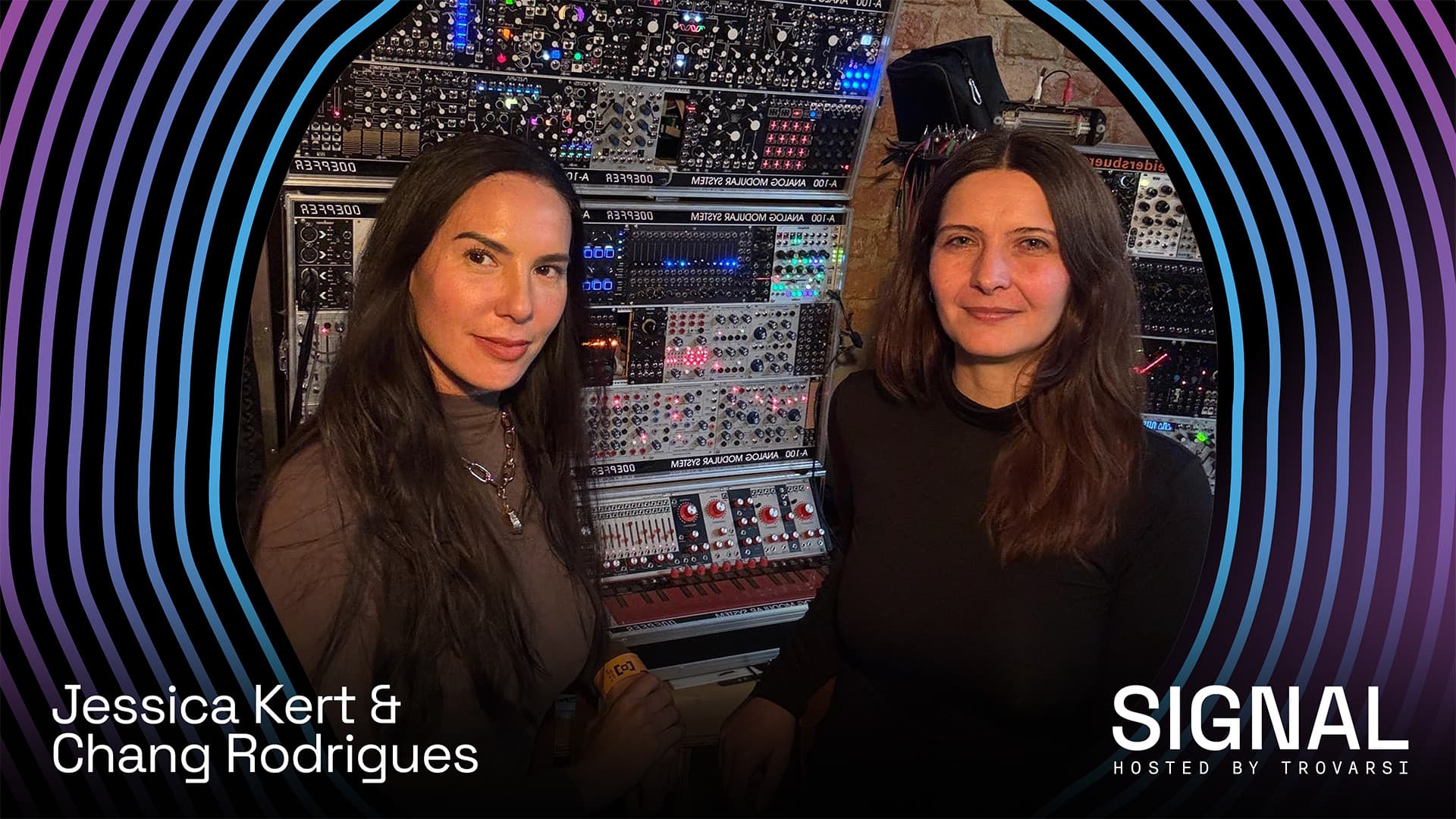
Chang Rodrigues is a Brazilian DJ and live artist based in Berlin, working between house, techno and experimental sound, with a strong focus on modular synthesis.
Her live performances are created in real time using analog systems, shaping evolving sound structures where rhythm, texture and space interact continuously. Her work moves between club-oriented sets and more immersive formats, including ambient performances in 5.1 surround sound.
She has performed at Inhotim, one of the largest open-air museums in the world and at Novas Frequências Festival, a leading platform for experimental music in Brazil. Her work was also featured by FACT Magazine through her project Ruínas.
Rooted in both technical exploration and intuitive listening, Chang approaches synthesis as a living process, where each performance unfolds as a unique and responsive sonic environment.
Hailing from the vibrant electronic music scene of Berlin, Jessica Kert explores the infinite worlds of modular techno. Releasing albums on Detroit Underground, Athmophile Electronics, Associated Parapoloid with a constant output of her creative explorations.
Her live performances in clubs and at festivals are a dynamic experience of sound, beating rhythms, psychedelic textures, and hypnotic melodies – tangible through the raw energy of analog synthesis that captivates the audience and builds a faithful connection.
Driven by a strong fascination with modular synthesis, Jessica has delved into the intricate world of analog circuits and the complexities of modular synthesis. She gained a deep understanding of modular synthesis through her own research and her regular work at Berlin’s legendary synthesizer store SchneidersLaden.
Knowing the journey of learning the artistic expression through machines can be tough, it is important for Jessica to share her knowledge of synthesis and performing. This is how teaching modular synthesis became a passion, that she invites everyone to take part in, at workshops at SchneidersLaden and elsewhere.
Drawing inspiration from the pulsating energy of the city’s underground clubs, she is constantly transforming her own sonic identity.
As she continues to follow her own path through the unexplored territories of modular synthesis.
Los Angeles based producer Sleepy Cat (Ken Chow) recently unleashed his new EP, Ascend - a jarring, stimulating record that focuses on the methodical introspection of cerebral techno.
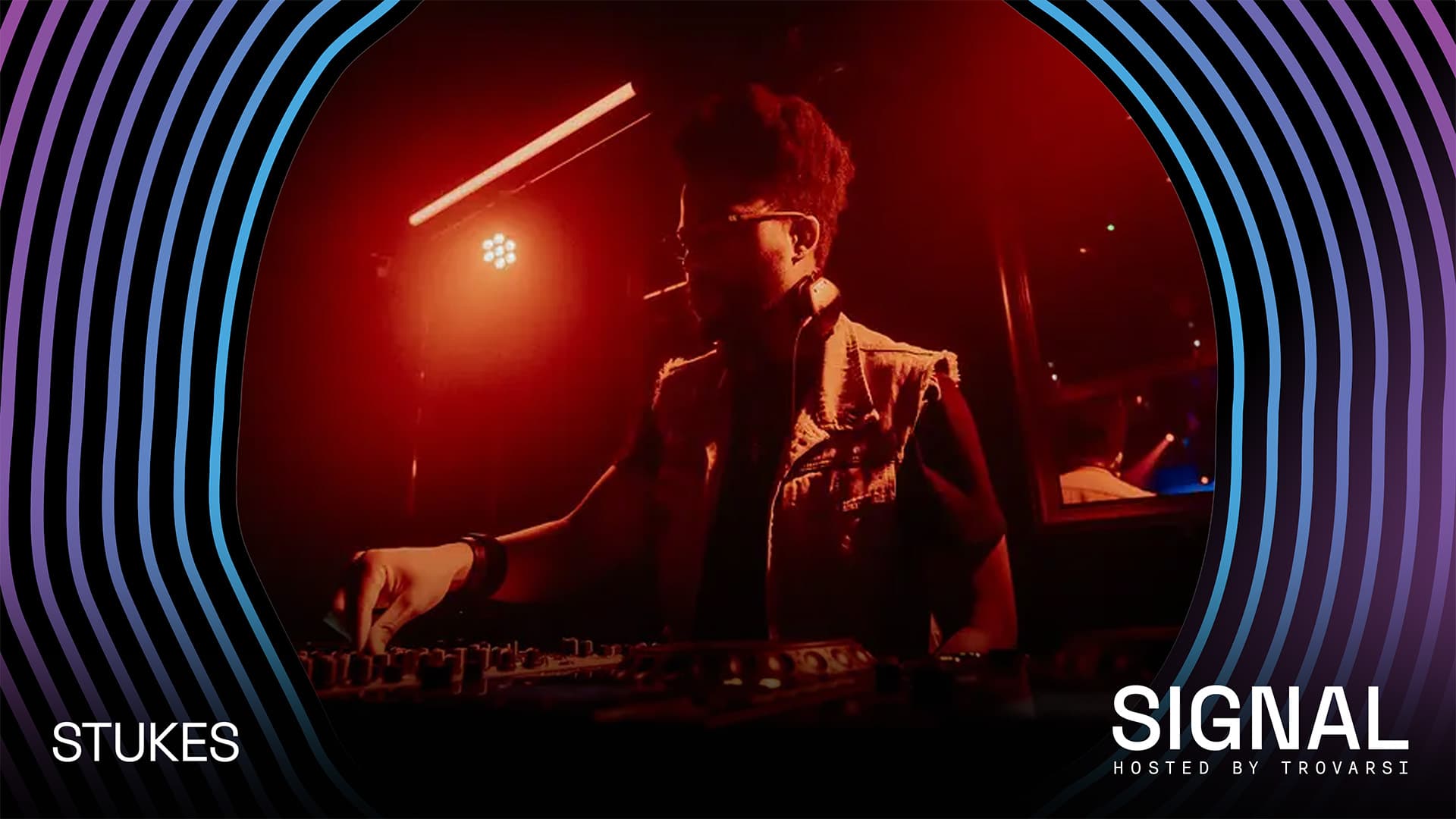
In this episode of Signal, host Trovarsi welcomes STUKES. STUKES core identity has been closely tied to the exposure and exploration of music.
Modular synthesist and Noise Engineering demo artist POBNRG (Patrick O'Brien) sits down with North², hosted by Korey Luna on Piqued.fm, to trace an unlikely path into Eurorack.
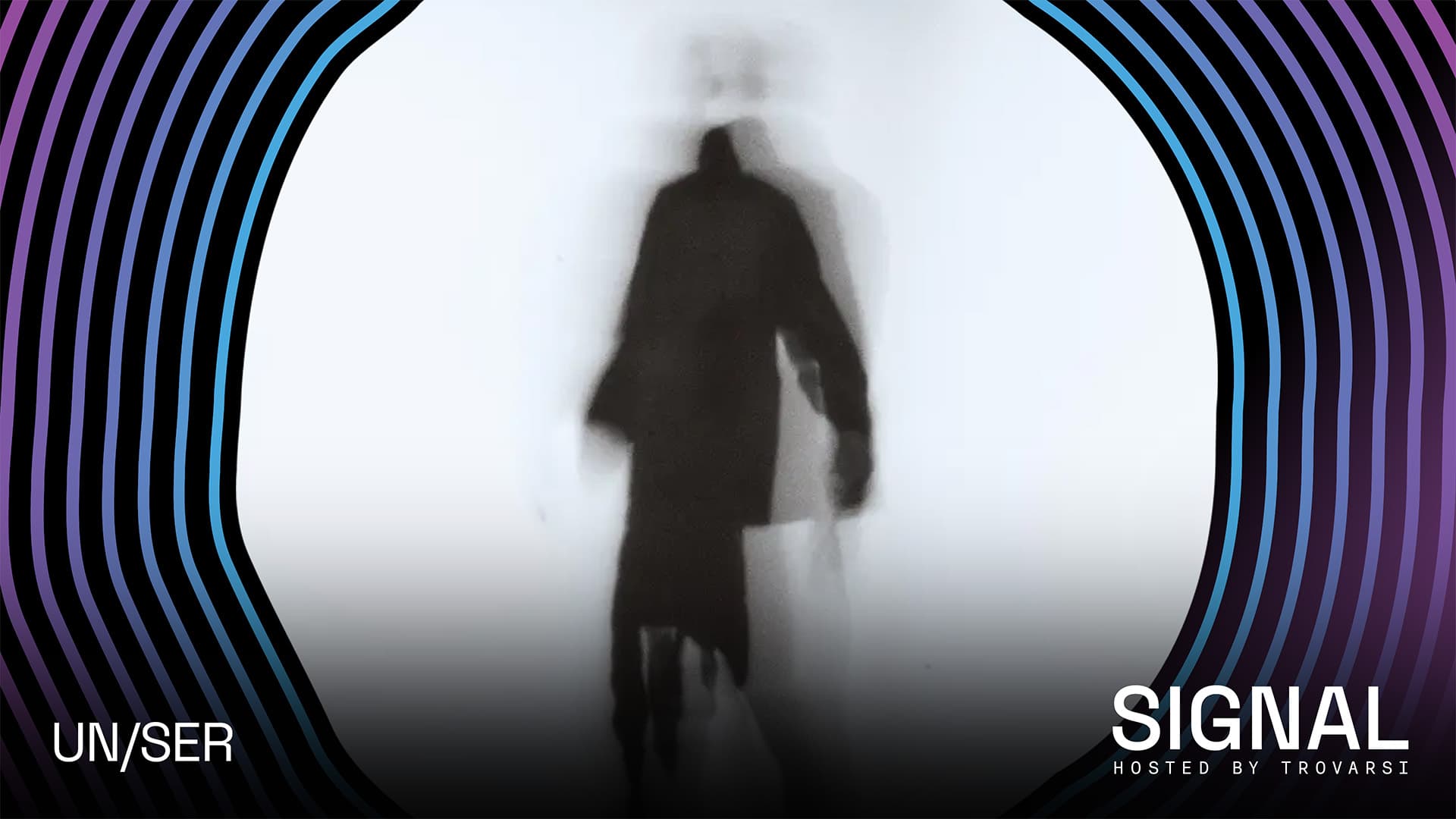
In this episode of Signal, host Trovarsi welcomes UN/SER. UN/SER is a modular techno live artist based between Poland and Berlin.
In this episode of North², host Korey Luna sits down with Raheem Jarbo, the Grammy-nominated artist behind Mega Ran. From substitute teaching in Philadelphia to headlining nerdcore stages for nearly 20 years, Raheem shares how freestyling in classrooms became a philosophy for performing, why making music for his son led to the biggest recognition of his career, and what happens when you let your obsessions lead the way.
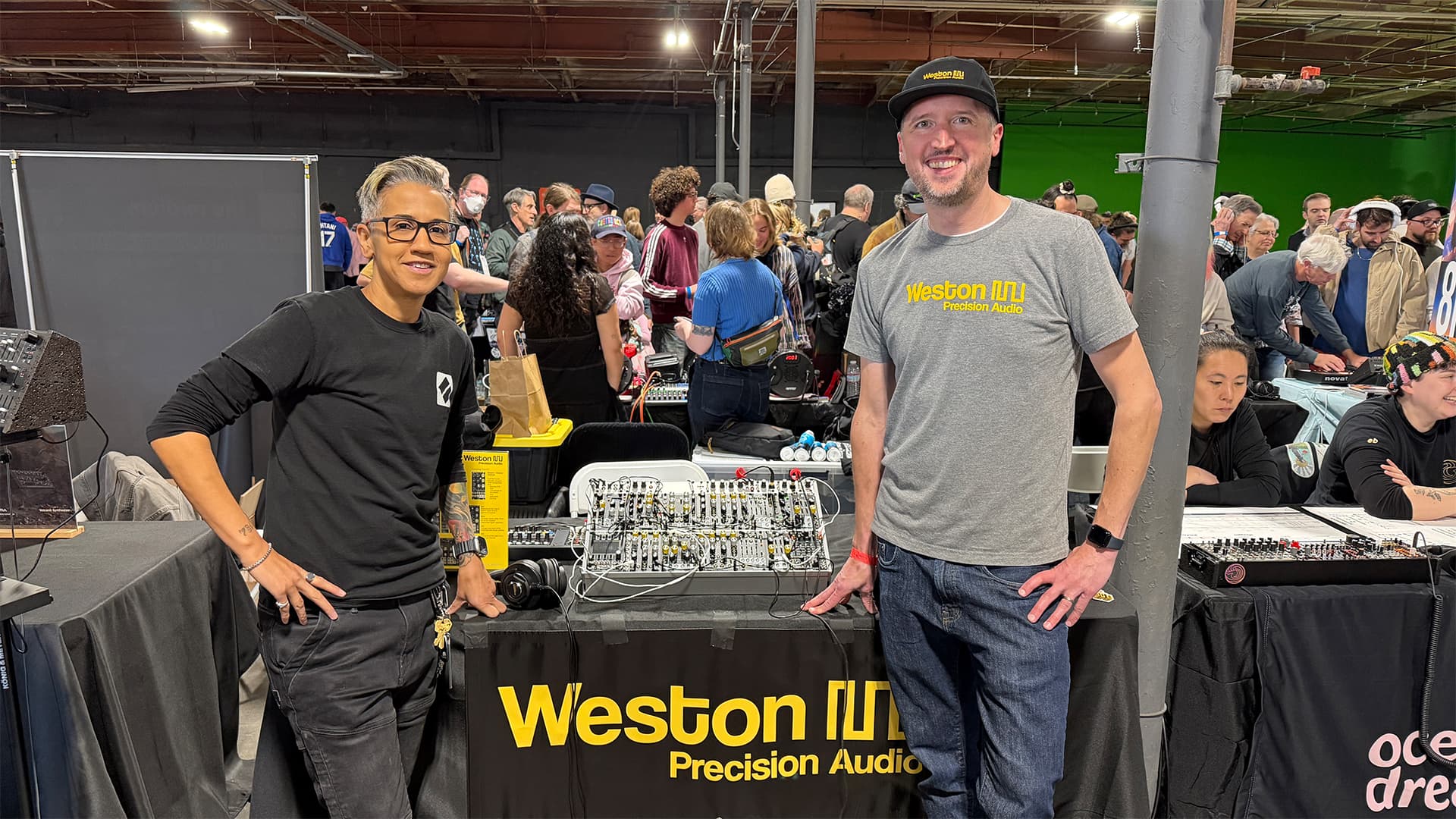
Trovarsi dives into the inspiration behind Trivium, her collaboration with Weston Precision Audio, and how the module was designed to transform any oscillator into a powerful, performance-ready synth voice.
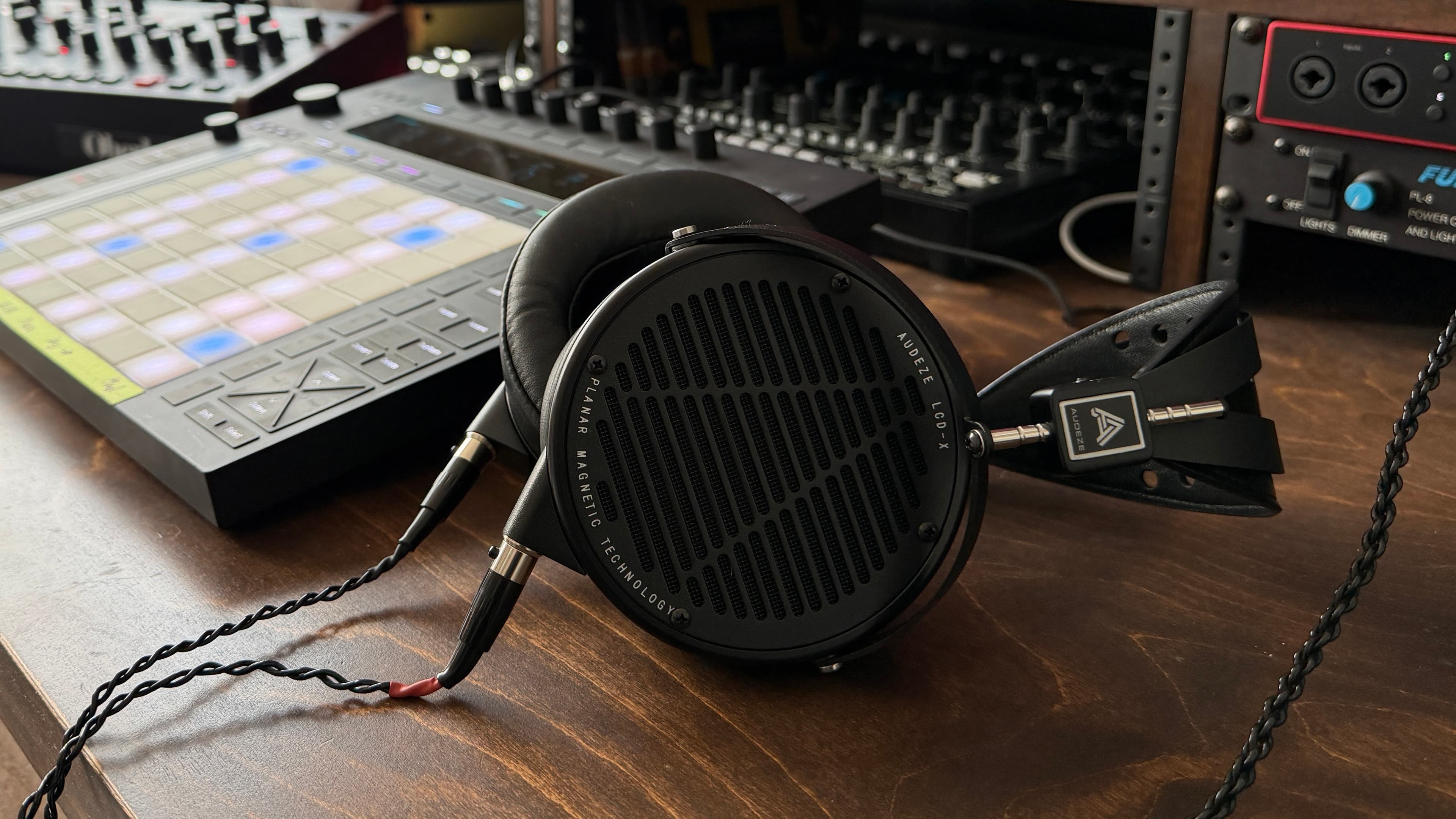
How the Audeze LCD-X changed my relationship with mixing, at home, at my mastering engineer's studio, and everywhere in between.
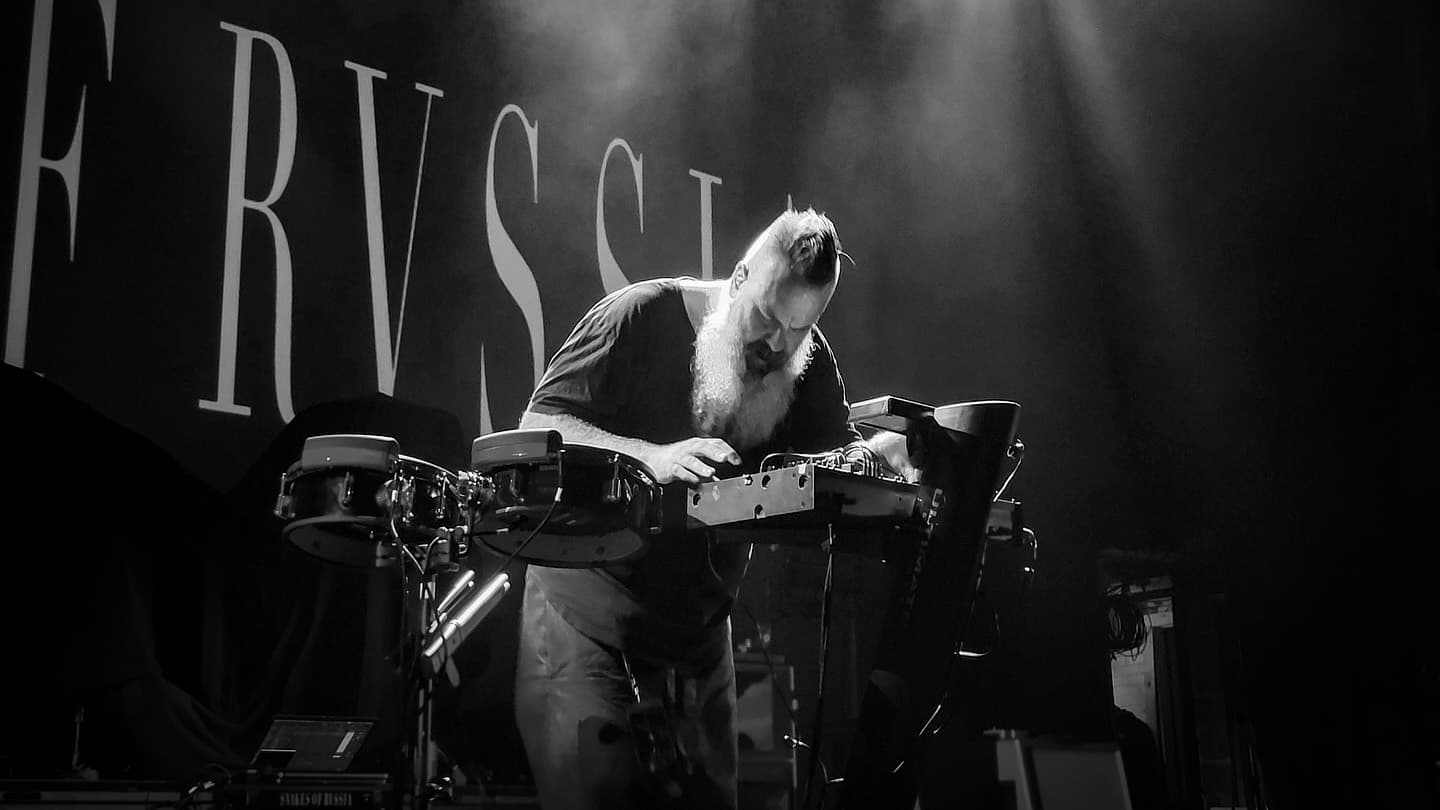
In this episode of North², host Korey Luna sits down with Joseph, the Los Angeles-based artist behind Snakes of Russia. From playing drums in metal bands to crafting dark electronica entirely on his own terms, Joseph shares how he built a sound that lives between two worlds, and why he's never needed to choose just one.
In this episode of Signal, host Trovarsi welcomes Dave Mech an electronic music artist whose journey evolved through being an instrumentalist into electronic music live performer and producer.