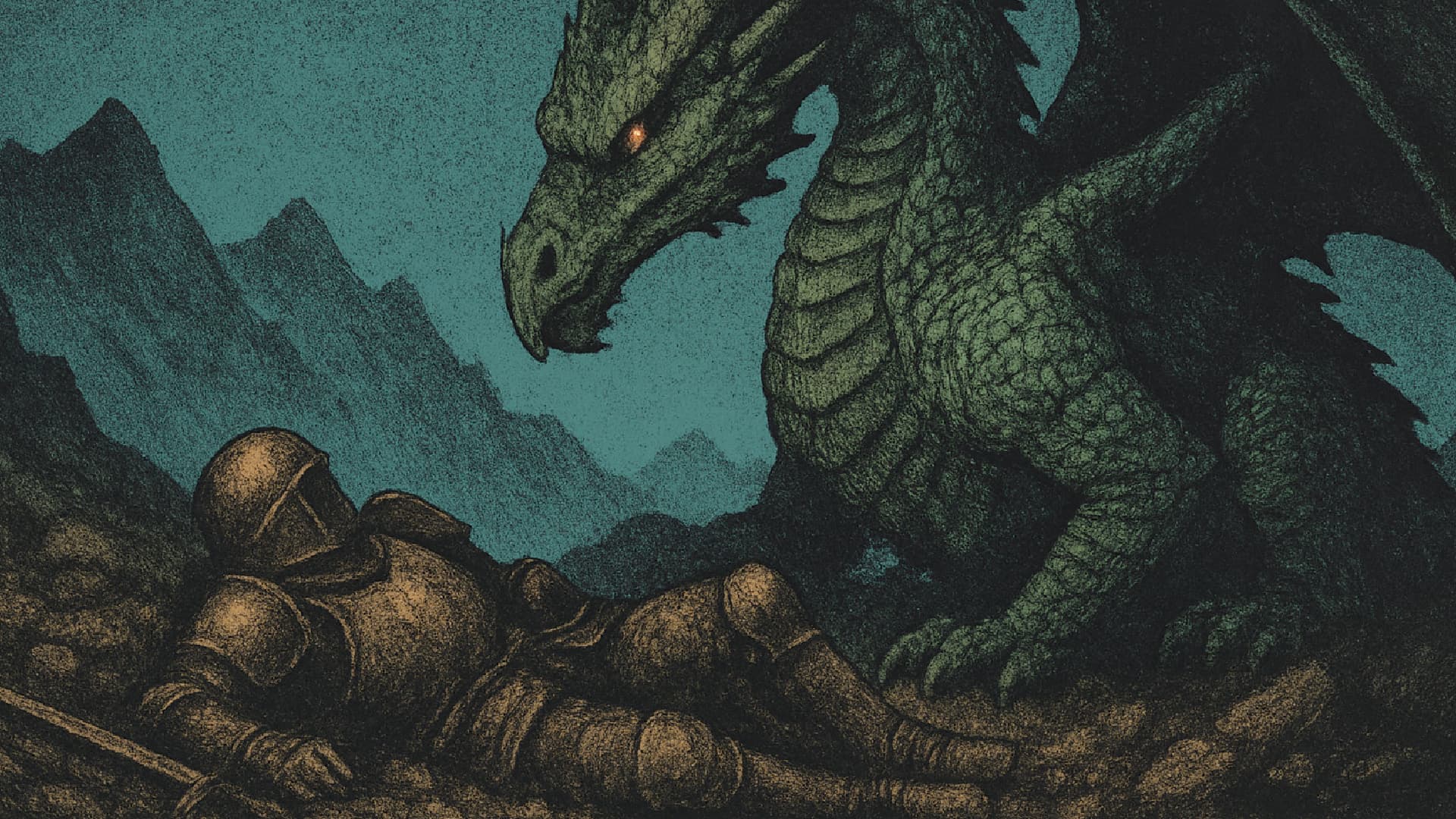
Dungeon synth is a soundtrack for imaginary worlds
Dungeon synth is a niche subgenre of electronic/ambient music that feels like stepping into a fantasy novel or an old RPG dungeon crawl. It’s often lo-fi, atmospheric, and steeped in medieval and fantasy vibes. Think of the eerie instrumental intro track on a black metal album, but stretched out to album length, evoking misty forests, haunted ruins, and mythical quests.
Musically, dungeon synth draws from ambient and classical influences (even Renaissance-style melodies) while inheriting a DIY ethos from the black metal scene that spawned it in the early 1990s. In fact, early pioneers were mostly metal musicians crafting raw “fantasy synth” side projects on home keyboards, trading their cassette tapes in underground circles.
This at-home made fantasy synth genre remained obscure for years, but it established a distinct aesthetic: lo-fi synth tones mimicking ancient instruments, dungeon crawler video game soundtracks, and the grim atmosphere of second-wave black metal.
Key figures of the 90s like the Norwegian artist Mortiis (ex-Emperor bassist turned goblin-costumed synth composer) laid the groundwork for the sound. His 1994 album Ånden Som Gjorde Opprør and similar releases by projects like Depressive Silence or Burzum’s prison-era synth albums became templates for what would later be called dungeon synth.
At the time, nobody called it “dungeon synth”, it was just a weird offshoot of dark ambient and metal, circulated privately. Mortiis himself had no grand plan; he just wanted to create monotonous, atmospheric dark synth music for his own imaginary world, and was surprised years later to see a whole genre build up around it.
Dungeon synth's allure as music that scores imagined realms connects intriguingly with the phenomenon of "fake" media, specifically fake video games. As John Walsh explores in his video "The Bizarre World of Fake Video Games," creators meticulously craft elaborate worlds, complete with lore, artwork, and even mock gameplay for games that don't actually exist.
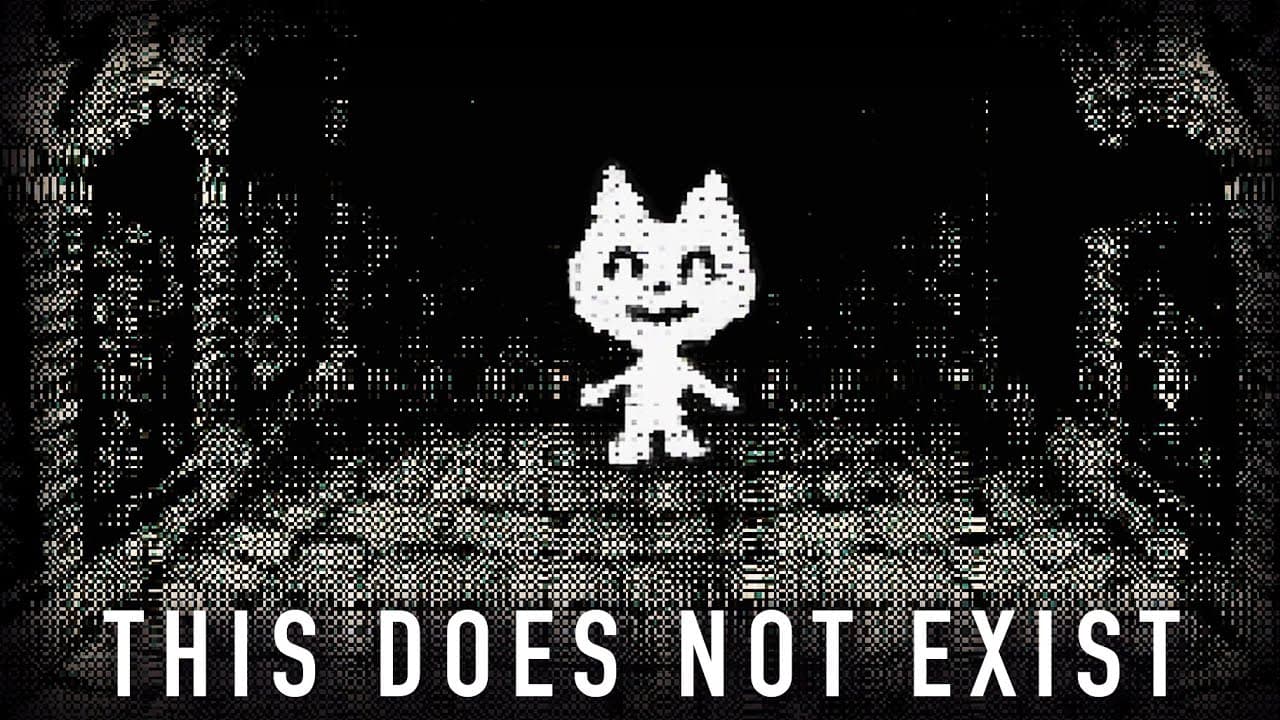
Walsh’s evocative introduction to Vermis, "a world of both impossible beauty and unimaginable horror," filled with strange heroes like "the mighty Minor Knight" or "the lonely Ratman", perfectly captures the same imaginative spirit that drives dungeon synth artists. Just as dungeon synth music immerses listeners into fantastical, unexplored worlds, these fictional games invite fans to imagine adventures they will never actually embark upon, enriching their experience through pure, boundless imagination.
From the shadows to a revival on Bandcamp
After its 90s flicker, dungeon synth virtually disappeared into obscurity for a decade. The term Dungeon synth didn’t even exist until around 2011, when dedicated bloggers and forum fans began excavating those old tapes and celebrating them. The real revival kicked off in the 2010s thanks to the internet. Modern dungeon synth has made a comeback on platforms like Bandcamp, YouTube, and niche forums.
Today it’s a diverse cottage industry with countless one-person acts releasing music digitally and on limited-edition cassettes. There are now boutique tape labels (for example, Italy’s Heimat Der Katastrophe) and even small festivals devoted to the genre. (In 2019, the Northeast Dungeon Siege event featured over 25 dungeon synth artists performing live, something unthinkable back when the music was just passed around on tapes!)
Several factors explain why dungeon synth has grown popular again. For one, there’s a resurgence of fantasy culture in general, from retro video games and Dungeons & Dragons, to the nostalgia for 80s/90s fantasy media. This gives dungeon synth a fertile audience of dreamers and gamers.
Its DIY appeal is also key: anyone with a cheap keyboard or computer can compose a dungeon synth track in their bedroom. As one primer notes, dungeon synth is typically a solo endeavor where the same person writes, plays, records, and distributes the music. There’s a charm in that lo-fi authenticity; the music often has a “home-brewed” quality that listeners find sincere and evocative.
Moreover, the atmospheric music itself is appealing in our hectic world, these wordless synth soundscapes make perfect background music for reading, coding, painting miniatures, or just escaping into imagination. During the pandemic lockdowns, the dungeon synth scene even thrived; artists were already used to creating in isolation and sharing their work online, so the genre proved remarkably resilient when live music halted.
Dungeon synth’s rise has been an organic convergence of nostalgia, community, and creativity on the internet. Or, as one observer put it, “the resurgence of fantasy culture, coupled with the DIY music movement and the appeal of atmospheric music,” has brought this quirky genre back into the spotlight.
Radagast and Vermis are a perfect marriage of music and myth
One modern artist exemplifying dungeon synth’s storytelling power is Josua Karlson, who produces music under the project name Radagast. Radagast’s style fits squarely in the genre’s tradition: cinematic synth compositions inspired by nature, folklore, mysticism, and fictional worlds. (It’s perhaps no surprise that Karlson is literally a horticulturist by day, his music often feels like wandering through enchanted forests!)
Since around 2022, Radagast has been prolifically releasing dungeon synth albums on Bandcamp, carving out lush mythical soundscapes of his own. But his latest project, Vermis, takes things to another level by collaborating with a visual artist and a publisher to create a full multimedia fantasy experience.

A page from Plastiboo’s Vermis artbook series, depicting the ruins of The Land Above. The Vermis books present lore and landscapes from a fictional game world, which Radagast’s music brings to life as an imagined “soundtrack.”
Vermis - Sounds of the World Vol. 1: Melodies of the Unknown is Radagast’s 2025 dungeon synth album inspired by the dark fantasy world of Vermis. What makes it special is that Vermis isn’t a movie or game, it’s a series of art books (by illustrator Plastiboo) that acts like a “strategy guide for a game that doesn’t exist”. Plastiboo’s Vermis I and Vermis II books are essentially elaborate world-building tomes, filled with pixelated-styled artwork and text lore, as if they were manuals or guidebooks to an old dungeon crawler video game.
Radagast connected so deeply with this fictional world that he composed an entire album as its “official soundtrack.” The result was a collaboration in which music and art merge: nine original tracks by Radagast packaged alongside Plastiboo’s illustrations and stories in a handsome physical release.
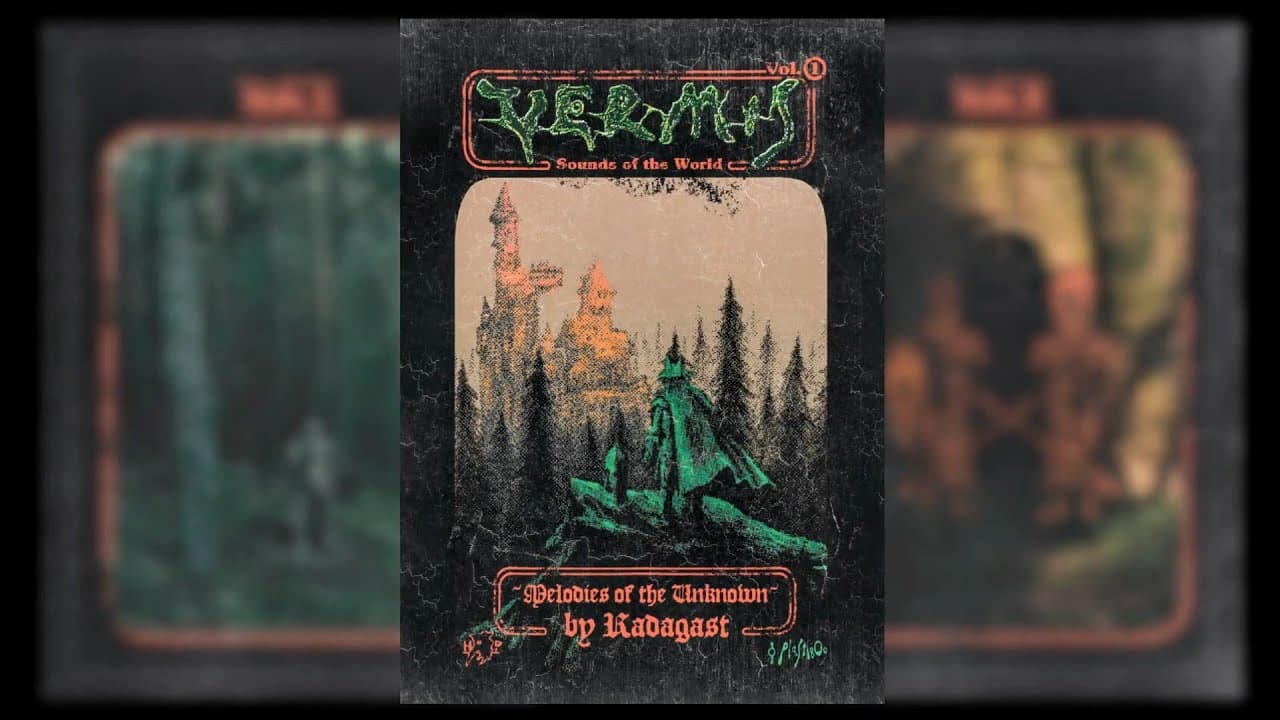
The Vermis album was released as a limited edition book and cassette set by Italian publisher Hollow Press in March 2025. Hollow Press, normally known for surreal comics and art books, embraced this project wholeheartedly. The first Vermis “lore game book” box includes a 16-page booklet of new Vermis illustrations and texts by Plastiboo, plus an ivory-colored music cassette containing Radagast’s compositions. It’s touted as the “first official soundtrack of the cult series Vermis,” presented as if Vermis were a cult classic game or film.
In the lore, readers are invited to “choose the nature of your flesh” and explore a haunted world, and now they can hear that world as well. The book’s introduction paints the scene: “Even in this afflicted world, the harmonic echoes of tales and memories long forgotten can still be heard by those who know how to listen.” Radagast’s gentle, melancholic dungeon synth provides those harmonic echoes: you can almost imagine his synth melodies drifting through the ruins and misty forests depicted in Plastiboo’s art.
A match made in heaven for dungeon synth
This cross-media pairing feels like a match made in heaven for dungeon synth. Fans have often commented that listening to dungeon synth is like listening to the soundtrack of a fantasy video game or an unwritten D&D campaign. Here, through Vermis, that idea is made delightfully literal. Interestingly, neither the music nor the art was originally made for a game, they were parallel creative endeavors that found each other.
Plastiboo independently created Vermis as a “pure act of world-building inspired by old dungeon crawler games”, while Josua “Radagast” Karlson was independently making dungeon synth inspired by such fantasy worlds. It seems almost inevitable that they’d collide. Whether by coincidence or fate, the collaboration shows how dungeon synth naturally complements visual fantasy art.
Hollow Press even sells other Vermis books and art prints as if they’re collectible game artifacts, and now with Radagast’s tape, you can own the sound to go with those imaginary landscapes. The Vermis project asks: was this convergence a happy accident, or part of a broader trend of reconnecting music, art, and gaming nostalgia? Either way, it demonstrates dungeon synth’s power to enhance storytelling, turning a “game that never existed” into an experience that feels almost real when you close your eyes and listen.
Radagast’s Vermis album has been well received in the dungeon synth community, and it exemplifies the genre’s current creative renaissance. It’s not the only case of such synergy, either. Other labels and artists have started doing similar worldbuilding projects, for example, the Milan-based Heimat Der Katastrophe (which helped produce the Vermis cassette) is known for releasing dungeon synth tapes packaged with little dungeon maps or fictional game modules. Clearly, dungeon synth’s retro-gaming aesthetic isn’t just window dressing; it opens up all kinds of playful collaborations. Fans who buy these releases aren’t just getting music, they’re getting a slice of an imaginary universe.
Lo-fi aesthetics and adjacent genres

Dungeon synth may be unique in its medieval-fantasy focus, but it shares DNA with other lo-fi, synth-based music movements that thrive on nostalgia and strong aesthetics. In many ways, it’s part of a broader cultural moment of resurrecting retro sounds:
Synthwave
This style does for 1980s sci-fi/action soundtracks what dungeon synth does for fantasy. It uses vintage synthesizer tones and drum machines to evoke neon grids, cyberpunk cities, and VHS-era montages. Like dungeon synth, the synthwave scene grew online, fueled by nostalgia (though for Blade Runner and arcade games rather than sorcery and dragons).
Chiptune and video game music
Dungeon synth composers often cite classic video game RPG soundtracks (from the 80s and 90s) as an influence. Some even incorporate 8-bit or 16-bit chiptune sounds into their music to mimic the feel of early dungeon crawler games. This places dungeon synth adjacent to the chiptune scene, which celebrates the bleeps and bloops of old game consoles. Both genres revel in the pixelated imagination, where limitations of technology inspire creativity.
Lo-fi ambient and vaporwave
In the 2010s, vaporwave became popular for its hazy, lo-fi repurposing of elevator music and mall soundtracks, creating an eerie nostalgia. While vaporwave’s vibe is more urban and often satirical, it shares with dungeon synth a fascination for bygone aesthetics and a heavy use of tape hiss and antiquated sounds. There’s even a subgenre dubbed “comfy synth,” focusing on cozy, nostalgia-soaked melodies (imagine music for a peaceful village level in a RPG). It’s a softer sibling to dungeon synth’s dark dungeons.
Despite these parallels, dungeon synth stands out for its commitment to fantasy escapism. It’s not trying to score a real film or game, nor remix nostalgia with irony; it’s often created in earnest, by devotees of Tolkien, D&D, and mystical atmosphere. The lo-fi production (wobbly keyboards, inexpensive synthesizers, and the occasional background crackle) actually enhances the charm, much like how old video game graphics or paperback book covers have an allure despite (or because of) their imperfections.
The enduring allure of the dungeon synth scene
From its unlikely origins in black metal side-projects to its 21st-century resurgence on Bandcamp, dungeon synth has proven to be more than a quirky footnote. It has become a thriving micro-community of artists and fans who build entire worlds with sound.
Dungeon synth fills a unique niche: it’s music that invites you to imagine, to be a traveler in an unknown land, a dungeon crawler in search of secrets, or simply a kid again, sitting in front of a CRT screen with a gamepad in hand and a head full of adventure.
Projects like Radagast’s Vermis exemplify why dungeon synth resonates so deeply with enthusiasts. They show that this music can be more than just nostalgic sounds, it can be a collaborative art form that bridges media, linking drawings, stories, and sound into one immersive experience. It isn’t hyped by big marketing or polish; instead, it thrives in a casual, creator-driven space where passion counts more than perfection.
Dungeon synth’s appeal lies in its sincerity and its ability to transport you somewhere else. As the echoes of melancholic melodies and ancient heroes fade out, one thing remains clear, this humble lo-fi genre has carved out a timeless little corner in the musical landscape, a dungeon all its own, inviting all who dare to listen.
Explore more:
Radagast on Bandcamp
Plastiboo’s Vermis at Hollow Press