Mastering the peak-end rule in a live electronic music performance
Barker introduces the peak-end rule
At Superbooth Berlin 2025, renowned electronic music artist Barker discussed a powerful psychological concept shaping his live performances, the peak-end rule. Drawing inspiration from Daniel Kahneman's seminal book Thinking, Fast and Slow, Barker explained, "There's two selves: the experiencing self and the remembering self. The experiencing self is how you feel in the moment. The remembering self is how you reflect on that experience."

He illustrated with an example from Kahneman’s book, recounting a student’s blissful experience listening to classical music disrupted by a CD glitch. The interruption "ruined the memory of the experience," highlighting the critical role the end of an event plays in forming lasting impressions.
Understanding the peak-end rule
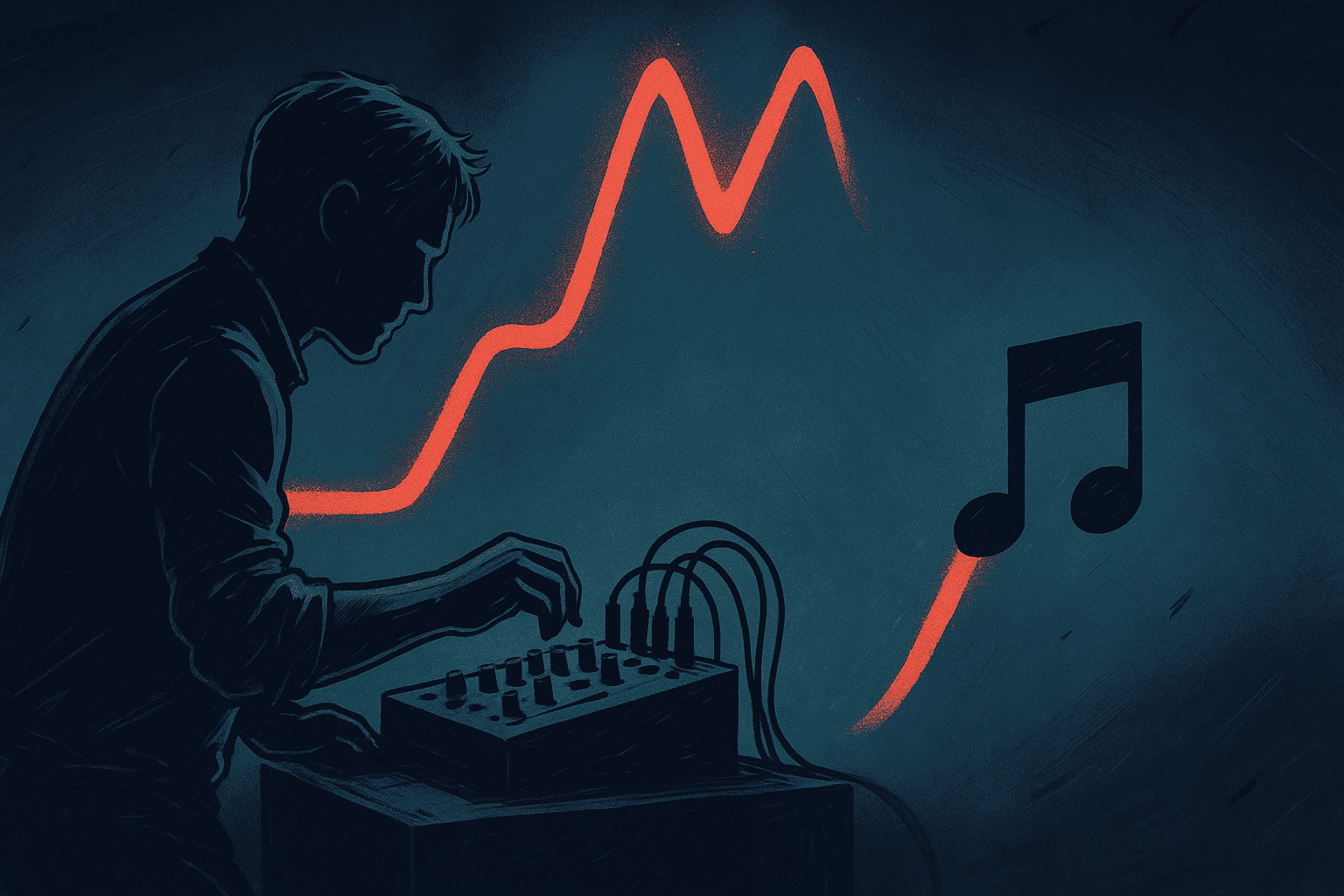
The peak-end rule suggests people judge experiences largely based on how they felt at the most intense moment (peak) and at the conclusion, regardless of the duration or overall experience quality. This psychological heuristic implies that only the peak and end moments significantly shape our memories, overshadowing the rest of the experience. It is a powerful tool for performers to influence audience perception by intentionally curating memorable moments.
Applying peak-end to live electronic sets
Barker shared his personal evolution in structuring live performances. Initially, like many artists, he began sets with meticulously planned introductions but often neglected the latter parts. Barker noted, "You start at the beginning... you get your intro just perfect so you entice people into the rest of the set," but eventually found himself rushed and improvising towards the end.
Realizing the importance of peak and ending moments, Barker altered his approach: "These days, if I'm making a new set... I start at the end." By dedicating substantial time to the final track, ensuring it fully encapsulates the emotional and sonic climax, he creates a powerful lasting impression.
Application steps:
- Begin by crafting a powerful and memorable ending.
- Identify and strategically position emotionally impactful peak moments.
- Ensure your set has clear, recognizable landmarks for audience engagement.
- Balance the set with a captivating opening to maintain audience attention.
- Spend the most preparation time perfecting the finale and peak moments.
Crafting the perfect peak
The placement of peak moments is equally critical. Barker emphasized planning "a peak somewhere in the second half of the set," though he acknowledged the peak could sometimes coincide with the finale itself. He recommended artists select well-known or emotionally powerful tracks as peaks, providing "landmarks" within a set to anchor audience engagement.
First impressions still matter
While Barker emphasizes peak and end experiences, he reminded artists not to overlook initial impressions. "The beginning is important. It's the first impression. It gives people the feeling they want to stay around for the rest of the set," he said. Striking a balance between a compelling introduction and carefully designed peaks and endings ensures audiences remain captivated throughout the performance.
Barker’s detailed approach to set planning
In his Superbooth talk, Barker shared a practical strategy for set planning, advising performers to start by designing the ending first. This method allows ample time to perfect the final moments, crucial for creating lasting memories. Barker explained, "Make your last track the one that you spend the most time on. If you have a fully developed track that is your favorite sort of work, it's easier to stretch and fill the time you have." He further emphasized identifying and strategically placing peak moments, suggesting artists consider recognizable or emotionally impactful tracks as anchor points. This structured approach not only reduces stress but also ensures each performance leaves a profound impact on the audience.
A transformative approach to live performance
Ultimately, Barker’s integration of the peak-end rule into live electronic music performances offers a structured method to amplify audience experience and engagement. By prioritizing the emotional highs and final moments, electronic musicians can craft deeply memorable experiences, ensuring their performances resonate long after the music stops.
Watch the full workshop with Barker on echio.