A quick tour of the styles you might play
Electronic music splintered soon after Kraftwerk and disco got the synths rolling. Electro arrived early with 808 drums and robot‑funk bass; house and techno tightened the four‑on‑the‑floor; acid twisted the 303; jungle sped break‑beats to 160 BPM; and countless hybrids fill today’s clubs. Below you’ll find genre‑by‑genre pointers so your live rig matches the vibe.

Core building blocks of a live electronic rig
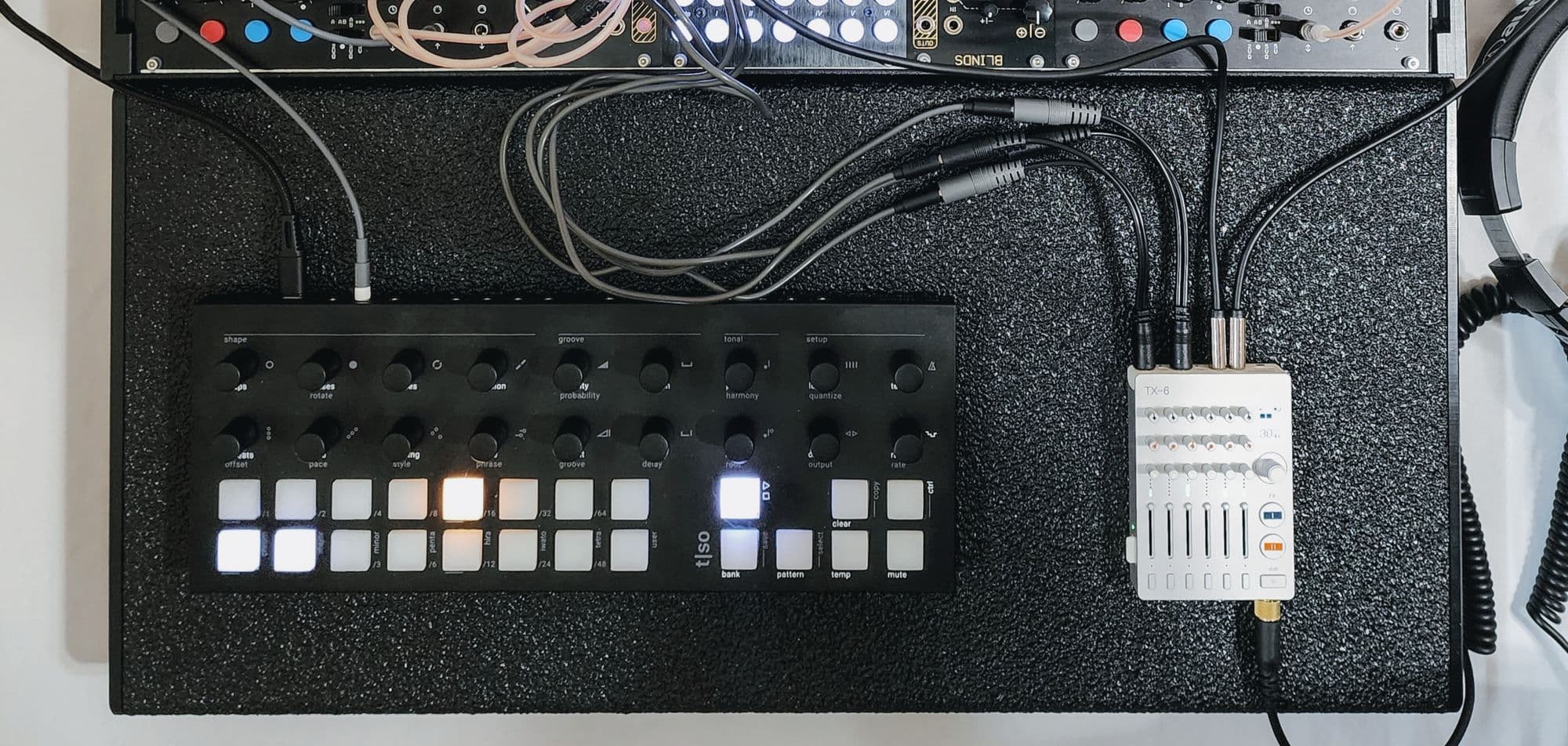
- Clock & brain – Ableton Live, Bitwig, Maschine +, MPC Live, or a hardware sequencer.
- Rhythm source – drum machine, sampler, or DAW drum racks.
- Melodic voice – synth, groovebox, or modular skiff.
- Audio interface – at least two stereo pairs so you can hand the engineer a drums‑only feed.
- Hands‑on controller – faders and knobs mapped to mutes, filters and send FX.
- Monitoring – in‑ears or a wedge plus a cue bus for troubleshooting.
Prep tip: label every cable and pack spares, the least glamorous work makes the smoothest set.
Designing a flexible live set
- Scene building – arrange tracks in eight‑bar scenes so you can loop breakdowns as long as the crowd wants.
- Follow actions / pattern chains – automate jump points for tension without constant clicks.
- Hybrid hardware flow – lock drum patterns on hardware, improvise leads on a synth, trigger transitions from the DAW.
- Dynamic FX – a single knob assigned to dub‑delay or low‑pass sweeps signals section changes clearly.
Genre‑by‑genre cheat sheet for your live set
Techno
- Must‑have: relentless four‑on‑the‑floor kick with hypnotic loops.
- Workflow focus: long‑form layering and slow filter sweeps to build tension.
- Crowd‑pleaser: cut all low‑end except the kick, then slam the full spectrum back in on the drop.
Acid
- Must‑have: a 303‑style squelch with plenty of resonance.
- Workflow focus: live pattern transposition and accent tweaking.
- Crowd‑pleaser: capture a four‑bar loop, ride the cutoff for 32 bars, then open the resonance for lift‑off.
Electro
- Must‑have: 808 drums driving syncopated bass riffs.
- Workflow focus: rapid pattern switches and punchy mutes.
- Crowd‑pleaser: flip between half‑time and double‑time snares to jolt the floor.
House
- Must‑have: swingy hi‑hats plus piano or organ stabs.
- Workflow focus: subtle groove nudging with shuffle and velocity edits.
- Crowd‑pleaser: drop the kick, ride the open‑hat, tease a vocal stab, then bring the kick back.
Jungle / Drum & Bass
- Must‑have: chopped Amen or Think breaks at 160‑170 BPM.
- Workflow focus: pad looping for breathers and lightning‑fast filter sweeps.
- Crowd‑pleaser: hit a tape‑stop on the break, restart with a booming sub hit.
Ambient / IDM
- Must‑have: textured pads and granular samples.
- Workflow focus: loop‑based builds with generative modulation.
- Crowd‑pleaser: freeze‑reverb a pad, slowly pitch‑shift it while a sparse beat fades in.
Getting on stage and reading the room
- Sound‑check patience – balance the kick first, then match everything else to it.
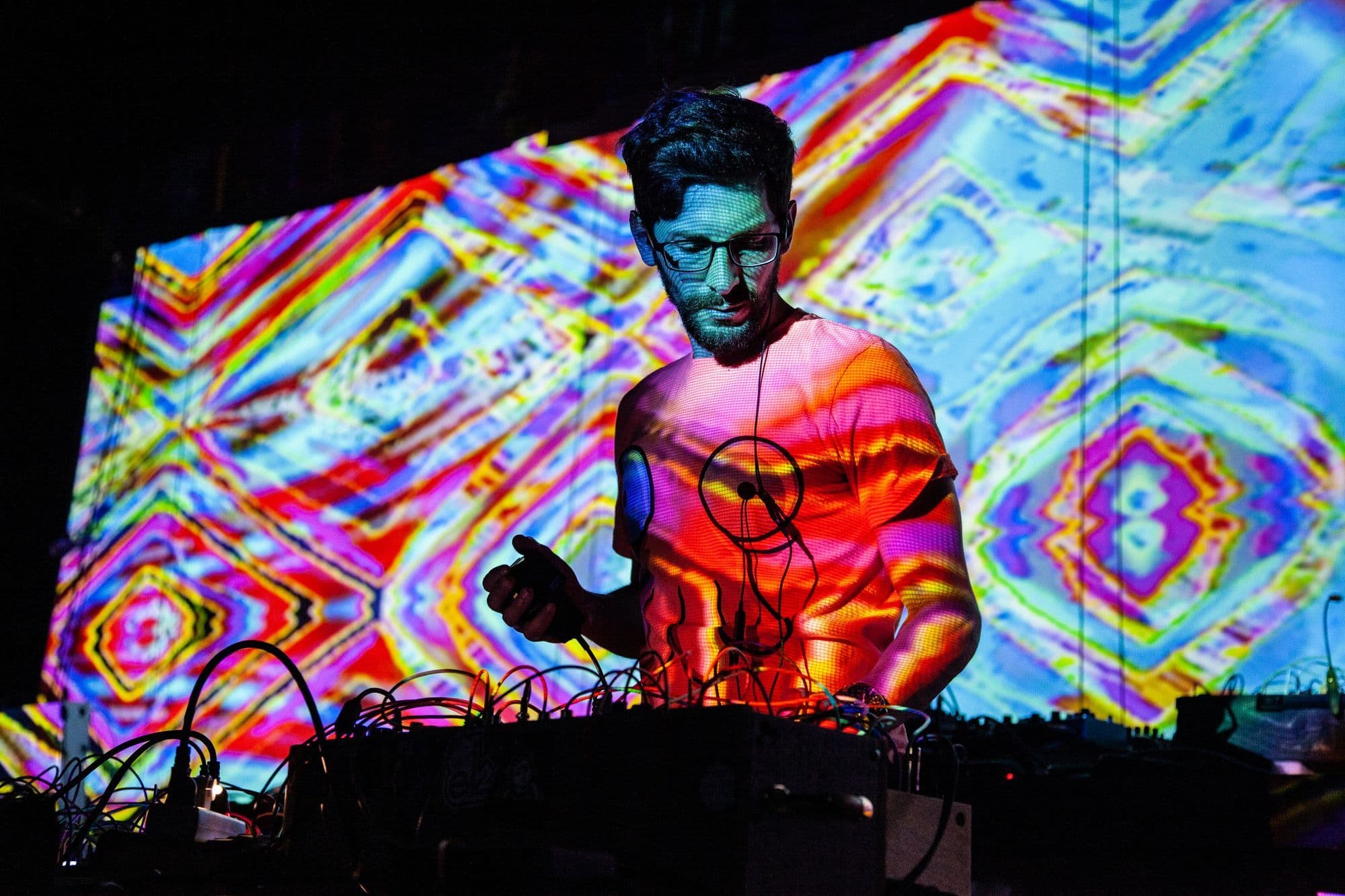
- Body language – look up, move with the groove, and exaggerate knob turns so the crowd sees the action.
- Visuals & lighting – even a single beat‑synced RGB strip brings a laptop set to life.
- Adaptation – tighten builds in small rooms, stretch breakdowns at festivals, save experimental routings for receptive crowds.
From bedroom to venue: three essentials
Rehearse full run‑throughs
Record a 20‑minute set, listen back the next day, and jot down every lull or clunky transition.
Backup plan
Carry a USB stick loaded with stereo bounces of each track, instant safety net if the laptop misbehaves.
Cable audit
Pack a spare IEC power cord, two extra balanced pairs, wired earbuds, and a backup USB‑C supply so nothing ends your night early.