A happy accident in Chicago’s underground
In the mid-1980s, Chicago DJs and producers stumbled onto a new sound almost by accident. The Roland TB-303 bass synthesizer had been a commercial flop, pawn shop bargain gear discontinued in 1984.
But in the hands of DJ Pierre and his group Phuture, this quirky little box found new life. By programming the 303 “wrong,” pushing its filter resonance and accent controls to extremes, they unlocked an alien squelching tone no one had heard before. The result was “Acid Tracks” (1987), a hypnotic 12-minute odyssey often credited as the first true acid house record.
Initially, clubgoers at Chicago’s Music Box didn’t know what to make of this strange 303 loop, legend has it DJ Ron Hardy had to play it multiple times in one night before the crowd “got it”. But once they did, acid spread like wildfire: that trance-like 303 groove became an underground hit, signaling the birth of a new subgenre.
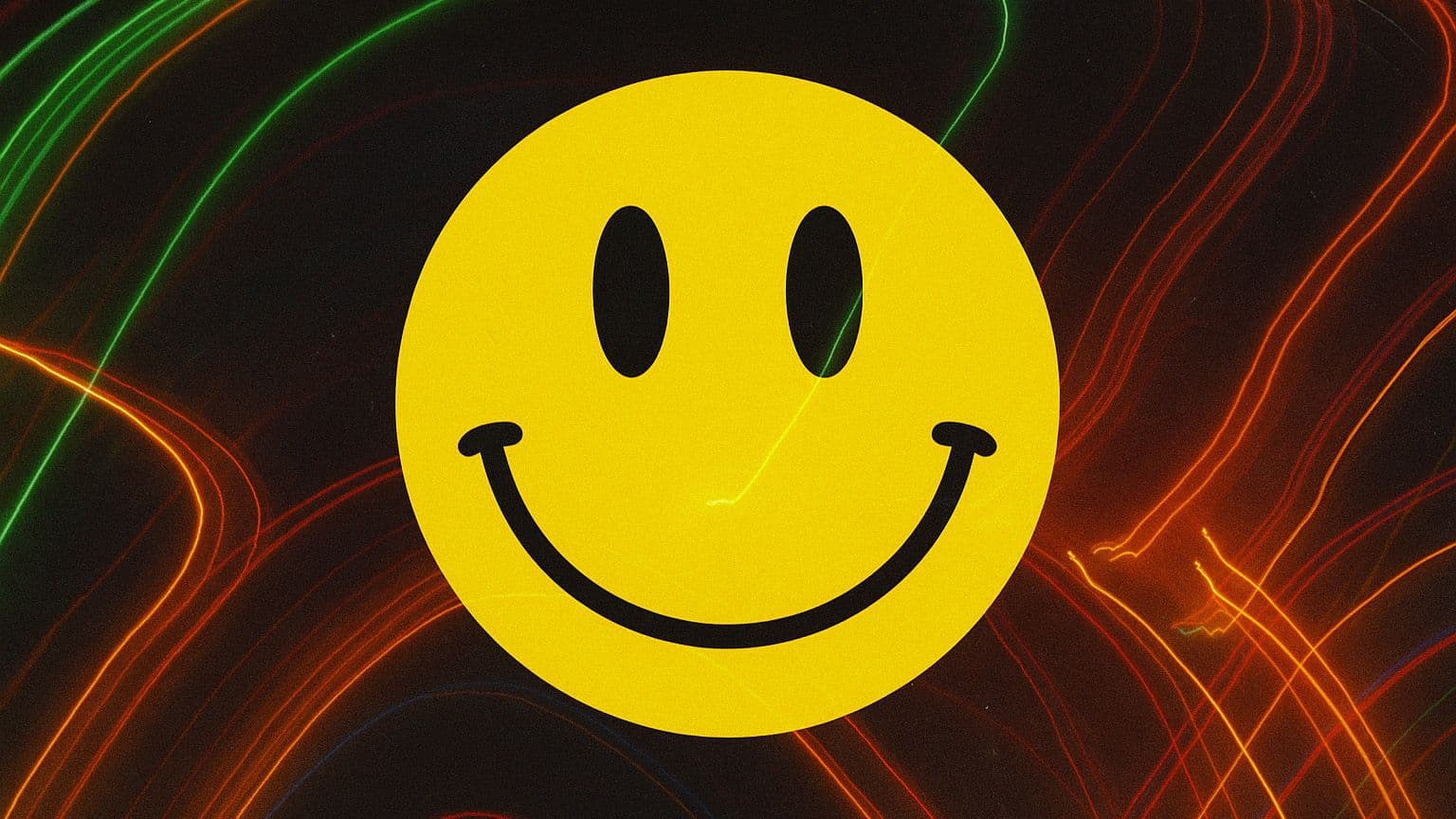
By 1988, the phenomenon had leapt across the ocean. In the UK’s Second Summer of Love, ravers embraced acid house’s euphoric sound, accompanied by smiley-face logos and an ethos of unity. The formerly derided 303 had become the technicolor heart of a youth movement.
Clubs and warehouses from Manchester to London pulsed with the squelch of acid basslines, as tracks like A Guy Called Gerald’s “Voodoo Ray” and 808 State’s remix of “Blue Monday” lit up dancefloors. What started as a Chicago basement experiment grew into a global rave revolution. And though mainstream media at the time dismissed acid house as a short-lived craze (or panicked about its wild parties), the genre was already evolving rather than burning out.
From fad to fixture, acid’s lasting appeal
Like many youth-driven scenes, the late ’80s acid boom did cool off, but it never truly died. By the early ’90s, even as rave culture splintered into new styles, the signature acid sound endured in various forms. Artists in techno, trance, and even pop couldn’t resist the 303’s charm.
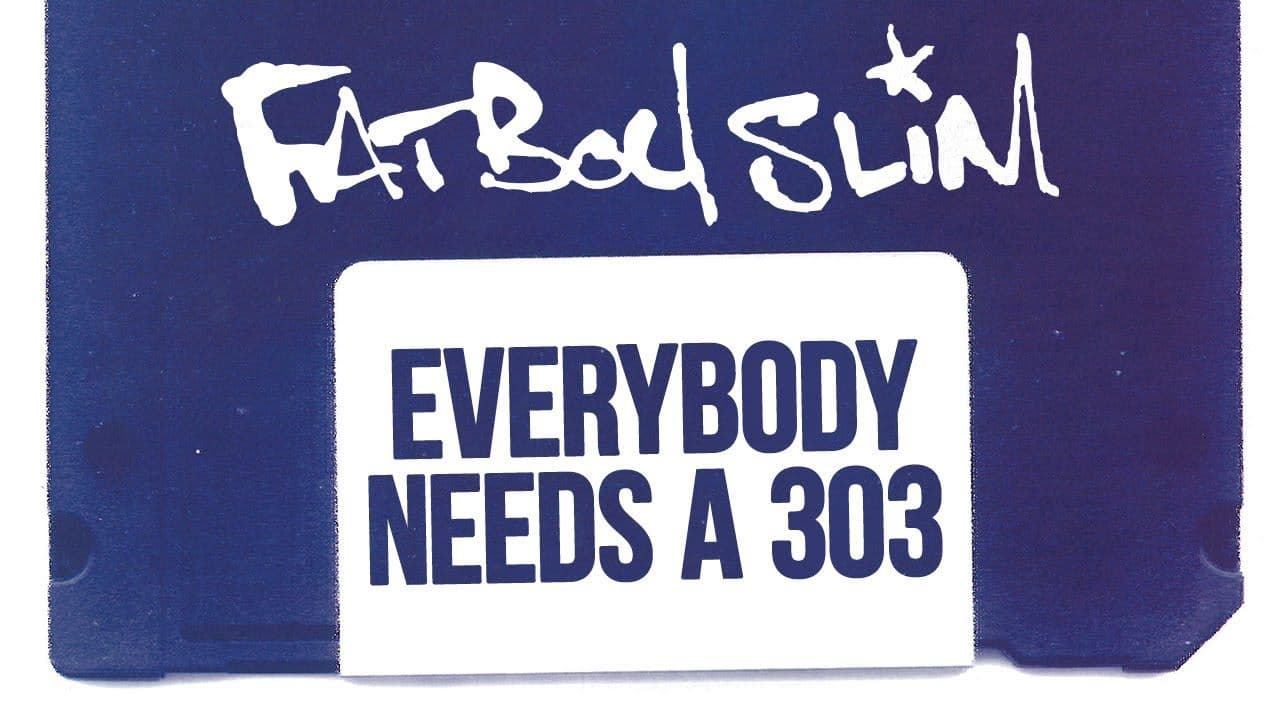
In 1995, big beat producer Fatboy Slim cheekily proclaimed “Everybody Needs a 303,” and trance wizard Josh Wink scored a hit with the acid stormer “Higher State of Consciousness”, tracks that put squelchy basslines front-and-center once again. Experimental producers like Aphex Twin and Luke Vibert carried the acid torch into more esoteric realms in the ’90s.
During this era, the TB-303 briefly went from coveted to passé and back again: original units that had become cheap and “dated” wound up skyrocketing in value once a new generation discovered the sound. (Propellerhead’s ReBirth software in 1997, one of the first virtual instruments to emulate the 303 and drum machines, introduced countless 90s kids to acid sequencing, sparking a mini-revival in home studios.)
Why does acid have such staying power where other retro fads fade away? One reason is that the 303’s voice is truly unique, there’s simply nothing quite as quirky yet infectious as a resonant acid bassline looping over a four-to-the-floor kick.
It’s minimalistic but alive with character: a “ghostly squelch” that can sound playful or menacing, often both at once. That core sound crosses genre boundaries, sneaking into everything from underground techno sets to mainstream EDM festival anthems.
Another reason is the immediacy of acid music. With just a few knobs and buttons, anyone can jam out a groovy acid line, it’s electronic music at its most hands-on and fun. The formula is simple, which means artists keep finding new twists on it.
Acid can be raw and primitive or sophisticated and futuristic, depending on how it’s used. As a result, each decade sees a fresh acid revival: whether it was the hard acid techno of the late ’90s London squat parties, the bloghouse/nu-rave nostalgia of the late 2000s, or the 21st-century techno producers adding 303 spice to their tracks, that squelchy riff keeps coming back in style.
The TB-303 itself has achieved legendary status, a holy grail of gear, and has been cloned and imitated endlessly. From boutique analog replicas to modern software plugins, there’s a seemingly endless list of devices built to capture that acid magic. In short, acid isn’t just a fond memory, it’s a staple flavor in the electronic music palette, continually rediscovered by new ears.
The 303 sound in the 2020s, new tools, same squelch
If anyone doubts acid’s relevance today, just look at the gear and software being developed. In March each year, synthesizer fans celebrate “303 Day” (March 3rd) with new acid-themed releases, and major manufacturers still roll out tributes to the 303.
Roland’s own modern reboot of the TB-303 (the boutique TB-03 and TD-3 by Behringer, among others) have been popular in recent years, proving that musicians still crave that classic workflow.
But beyond the hardware clones, developers are now exploring creative ways to evolve the acid sequencing experience. After all, the original 303 had plenty of quirks, from its step programmer interface to its limited accent/slide behavior, which, while charming, can be cumbersome.
The question for today’s acid aficionados: how do we retain that improvisational fun of jamming on a 303, while updating it for modern live performance and production?
Enter tools like Sting 2, a Max for Live device that shows just how far we’ve come. Created by Berlin-based developer Iftah Gabbai (formerly of electronic duo Skinnerbox), Sting is essentially an acid line generator that fuses the old-school 303 vibe with new-school smarts.
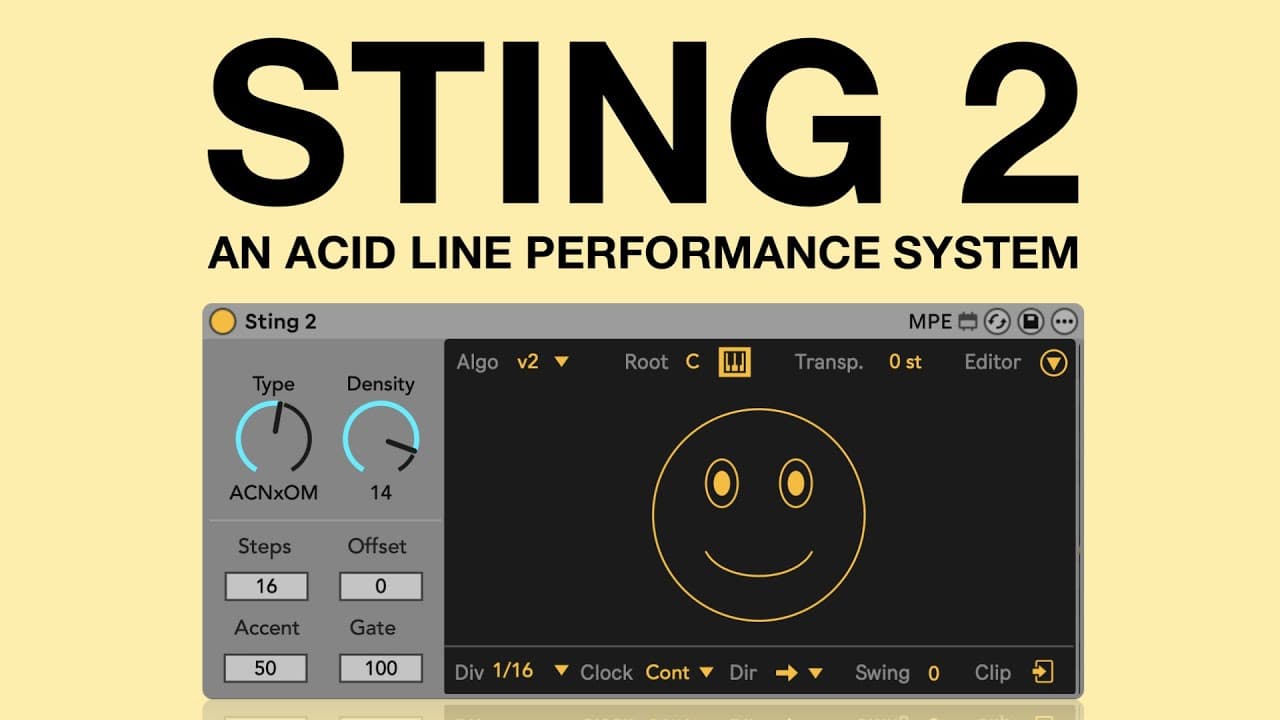
The project actually began as a tongue-in-cheek experiment back in 2013 during a residency in Reykjavik, proof that acid’s reach is truly global, but over the years Sting evolved into a serious tool for performers. In fact, the first version became a surprise hit among Ableton Live users, quickly becoming one of the most popular Max for Live downloads ever (who wouldn’t want an instant acid machine at their fingertips?).
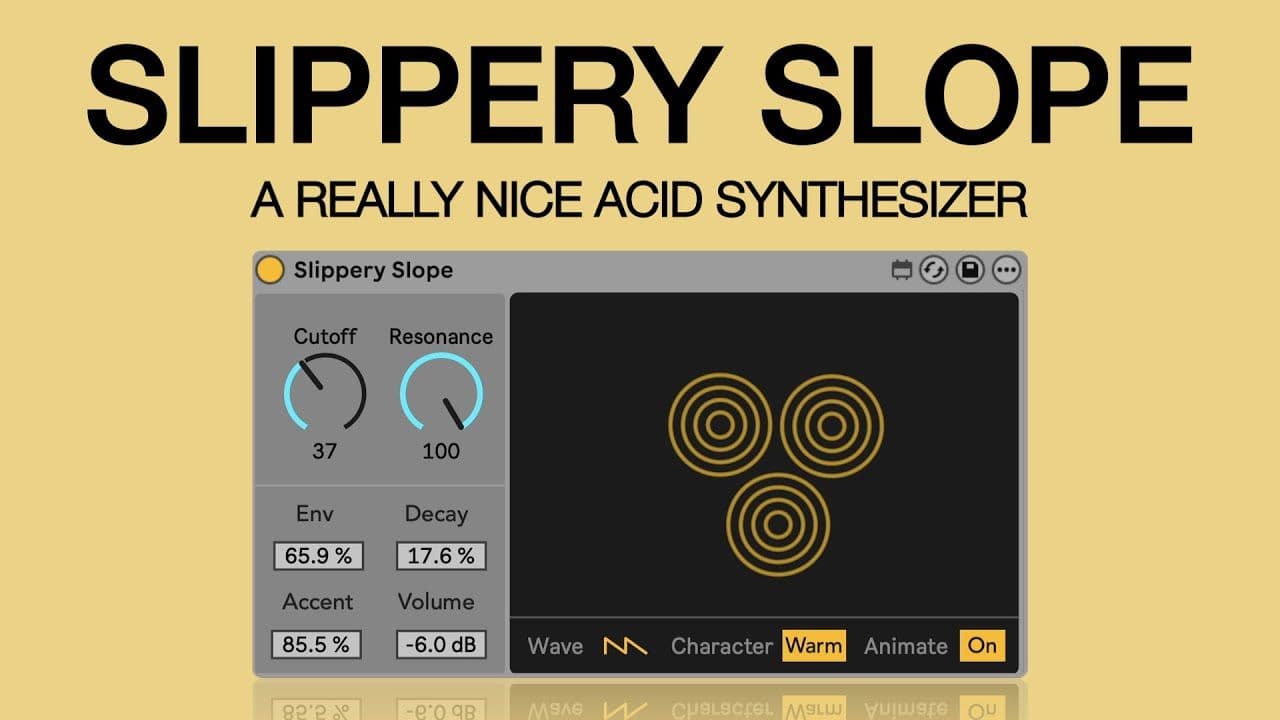
This month, Iftah released Sting 2 as a free (pay-what-you-want) upgrade, and it’s packed with features that show how acid sequencing can be both nostalgic and innovative. Alongside Sting, there's also Slippery Slope, a sleek acid-bassline synth designed for Ableton Live and Push. It’s a mono, single-oscillator voice that pairs beautifully with Sting, creating a tight acid ecosystem for jamming and production inside Live or on Push Standalone.
Sting 2, acid for the next generation
What makes Sting 2 special is its focus on improvisation and ease of use, much like the original TB-303 but reimagined for today. At its core is a generative pattern engine: slap the big smiley face on the interface, and Sting 2 will instantly spit out a musically coherent 16-step acid bassline pattern, complete with matching variations for velocity, gate length, and octave shifts.
The smiley icon isn’t just playful; it’s a wink to acid house’s classic symbol, emphasizing that sense of fun and spontaneity. Under the hood, Sting’s new algorithm ensures the patterns aren’t random chaos but have that “acid logic”, twisting and turning in catchy ways.
Users can morph the patterns on the fly with just two knobs: Type (which sweeps from random gibberish to classic 303-style riffs) and Density (which controls how busy or sparse the notes are). It’s literally designed so you can jam for hours and keep getting fresh acid lines at the twist of a dial. And if you still love the old patterns, Sting 2 even lets you switch back to the original algorithm for a vintage flavor.
Beyond generation, Sting 2 brings modern editing and performance tools that old hardware could only dream of. You can fine-tune every step in an editor view, adjusting notes, accents, slides, and gates with precision.
There’s a built-in modulation matrix that lets you map things like aftertouch or velocity to pattern parameters, meaning if you play harder or apply pressure on a MIDI controller, you can literally bend and mutate the acid line in real time. This adds a dynamic, expressive quality to sequences; the machine isn’t just looping blindly, it responds to your touch.
For live performers, Sting 2’s “Live” mode can introduce controlled randomness, parameters can drift over time, and subtle timing jitter can make the pattern feel more human or more chaotic, depending on your mood. All these features give artists a toolkit to move fluidly between tightly programmed acid grooves and swirling, improvised madness at the flick of a switch.
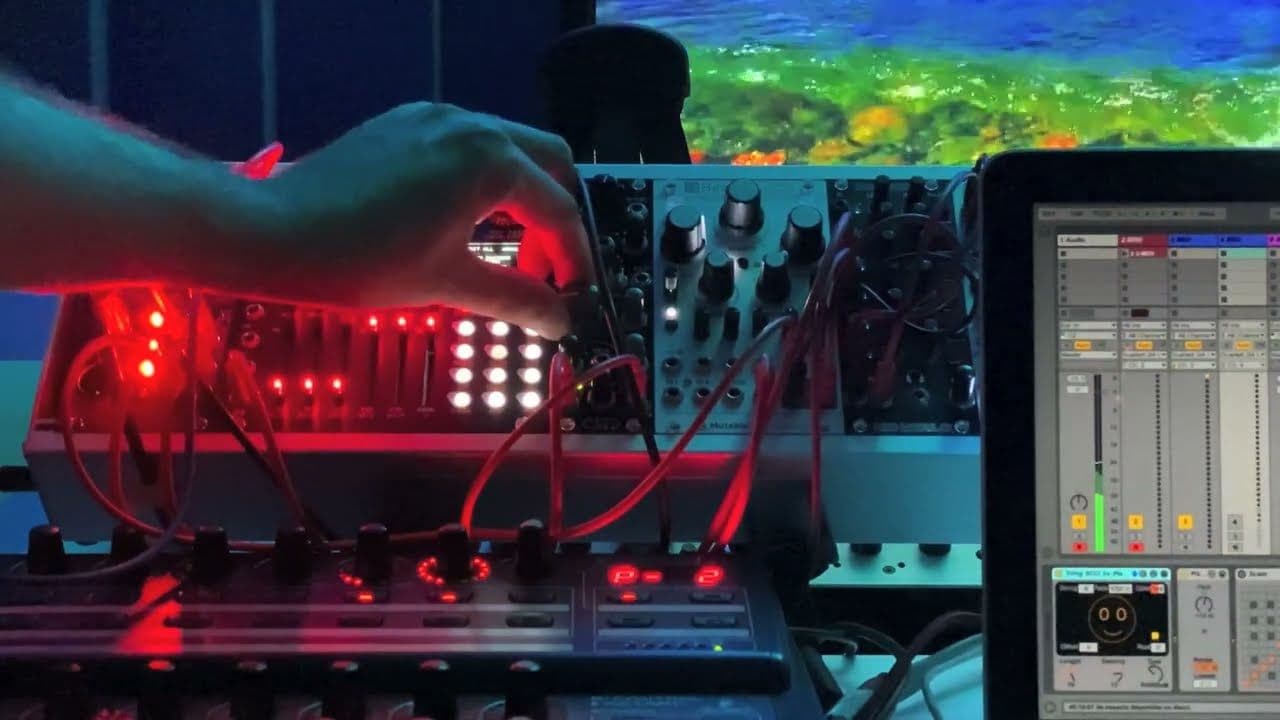
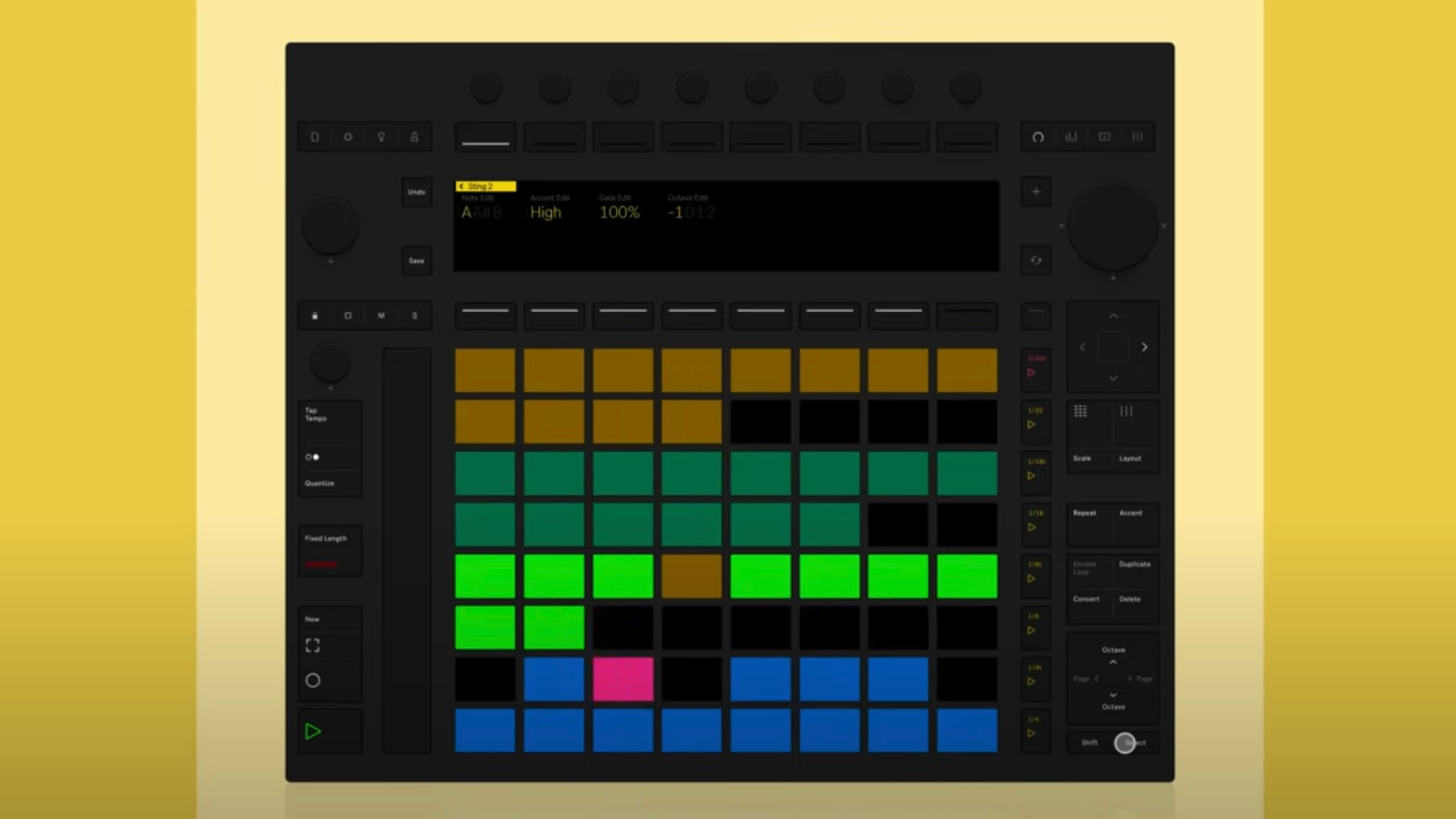
Crucially, Sting 2 is built to integrate with modern hardware controllers. It offers deep support for Ableton Push 2 and the new Push 3, including a special takeover mode that turns the entire Push into an acid control surface. In practice, this means you can leave the laptop aside and tweak everything from the Push’s pads and knobs: generating new patterns, transposing riffs, chaining patterns into full song structures, and even instantaneously bouncing your sequences into MIDI clips to save them.
On the new standalone Push 3, Sting runs without a computer at all, delivering the dream of a self-contained acid jam station you can carry to the club. It’s a brilliant example of how a genre-specific tool can extend the legacy of a classic instrument: Sting 2 “recalls the legendary TB-303” in its sequencer philosophy, but expands it with modern generative and performance features.
Essentially, it captures what people love about acid, the spontaneity, the groove, and makes it more accessible and flexible than ever. No wonder Iftah’s creation has been called “instant inspiration” and a “one-click source of pure joy” by fellow musicians.
The squelch that endures
Looking at Sting 2 and similar innovations, it’s clear that the acid genre is far from a museum piece, it’s a living, evolving tradition. Some musical styles from the ’80s have come and gone, existing now only as dated clichés. Acid, on the other hand, has proven itself remarkably resilient.
Decades after the first 303 experiment, producers are not only still using that sound, they’re building new tools to celebrate and reinvent it. The genre’s staying power comes down to a combination of nostalgia and novelty: acid evokes the raw, utopian spirit of the early rave days, yet it remains malleable enough to sound fresh in different contexts.
Today’s techno, house, and even bass music scenes continue to find creative uses for a squelchy acid line, whether it’s the centerpiece of a track or just added flavor. And when an idea is this enduring, it inspires gear makers to keep refining the experience, which in turn gives artists even more reason to keep acid in their arsenal. It’s a virtuous cycle of acid appreciation.
So, if you ever hear someone dismiss acid as “old-school” or a passing fad of yesteryear, just point them to the nearest 303 clone or fire up Sting 2 and start jamming. The grin that spreads across their face (mirroring that on Sting’s smiley button) will say it all. Acid is still here, still squelchy, and still capable of uniting dancefloors, from the sweaty warehouse parties of 1988 to the high-tech studio setups of 2025.
In a music world obsessed with the next big thing, acid proves that sometimes the classics endure for a reason. And as long as that reason remains, as long as that irresistible 303 sound makes people move, you can bet the acid genre will continue to evolve, inspire, and acid-ify new generations of music lovers. After all, everybody needs a 303… or at least an acid smile to light up the dancefloor.